
Tools
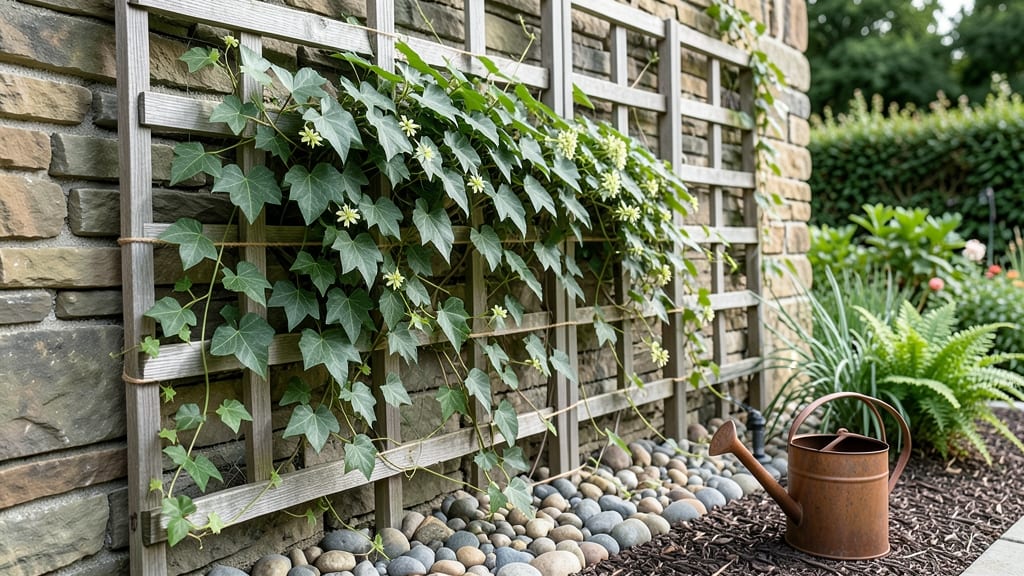
An outdoor wall garden turns even the smallest balcony or narrow yard into a thriving green space with zero wasted room—no digging, no sprawl, just vertical beauty that works as hard as it looks.
Picture this: your morning coffee beside a wall bursting with herbs, trailing flowers, and maybe even a few homegrown veggies—all without sacrificing a single square foot of your patio. That’s the magic of wall gardens, and they’re easier to start than you’d think.
From climbing roses to dwarf citrus trees, the right plants can turn any blank wall into a lush, functional display. The key? Picking the right structure—whether it’s a sleek modular panel, a rustic wooden trellis, or even repurposed pallets—and matching it to your space’s sunlight and drainage needs.
Below, I’ll walk you through plant pairings, structural hacks, and maintenance tips to keep your wall garden looking its best year-round—no green thumb required.
Creative wall garden designs for small outdoor spaces
Maximizing your outdoor space doesn’t mean giving up on your gardening dreams. With wall gardens, you can transform even the tiniest balconies or narrow yards into vibrant green oases. These vertical solutions free up floor space while adding visual interest and functionality to your outdoor area.
Whether you're renting or own a home, there’s a wall garden design that fits your needs and style.
My favorite part about wall gardens is their versatility. You can create them using recycled materials, buy pre-made kits, or mix and match components for a custom look. The key is choosing a design that matches your space’s sunlight conditions and your maintenance preferences.
Let’s explore some of my top space-saving layouts that bring nature closer without taking up precious ground space.
-
🪴 Hanging Pocket Planters
Perfect for balconies and railings. Use fabric pockets filled with soil and herbs like basil or thyme. Hang in clusters for a cascading effect. -
🌿 Modular Panel Systems
Stackable plastic or metal panels with built-in irrigation. Ideal for succulents or sedum. Mount on fences or walls for a clean, modern look. -
🪣 Tiered Wooden Shelves
DIY with cedar planks and brackets. Plant trailing flowers like petunias or fuchsias in pots. Mount against a sunny wall for maximum growth. -
🌱 Vertical Pallet Gardens
Repurpose wooden pallets by attaching them to a wall. Fill gaps with moss, ferns, or strawberries. Stain or paint for a polished finish. -
🪵 Trellis & Climbing Plants
Install a metal or wooden trellis and grow cucumbers, beans, or clematis. Mount on walls or fences to save space while adding height. -
🧵 Fabric Grow Bags
Lightweight and portable. Fill with herbs or vegetables like lettuce. Hang from hooks or attach to a frame for flexibility. -
🪵 PVC Pipe Towers
DIY with PVC pipes and caps. Plant succulents or air plants in the holes. Mount vertically for a futuristic, space-efficient design. -
🌿 Living Wall with Hydroponics
Advanced option for tech-savvy gardeners. Use a hydroponic system with built-in irrigation for leafy greens or herbs. -
🪴 Stacked Ceramic Pots
Mix and match pots in varying sizes. Plant flowers or small shrubs like lavender. Arrange on a shelf or wall-mounted bracket. -
🌱 Window Box Gardens
Extend your windowsill into a vertical garden. Plant herbs or flowers like pansies for a pop of color near your kitchen or patio.
When choosing materials, consider your space’s sunlight exposure. For example, south-facing walls get the most sun and are perfect for herbs or vegetables, while shadier spots work well for ferns or hostas. Always prioritize materials that won’t rot easily, like treated wood, metal, or durable plastic.
Another tip is to group plants with similar watering needs together. This makes maintenance easier and ensures no plant gets overlooked. For instance, succulents and herbs like rosemary thrive with less water, while trailing plants like nasturtiums need consistent moisture. A drip irrigation system can automate watering for larger setups.
Don’t forget to plan for drainage. Most wall garden systems require containers with drainage holes to prevent root rot. If you’re using a DIY approach, like pallets or shelves, add a layer of landscape fabric at the bottom to catch excess water.
For hanging gardens, ensure the pockets or pots have adequate drainage to keep roots healthy.
For a cohesive look, coordinate your plant colors and textures. Mix foliage plants like heuchera with blooming flowers like petunias for visual interest. Add climbing vines to soften edges and create a lush, layered effect.
You can also theme your garden—think Mediterranean with lavender and rosemary, or tropical with ferns and hibiscus.
Finally, think about accessibility. If you’re on a balcony, ensure your design allows easy access to all plants for watering and pruning. For ground-level gardens, consider adding steps or a small ramp if needed.
The goal is to create a space that’s as functional as it is beautiful, so your wall garden becomes a joy to tend and enjoy.
With these creative designs, you can turn even the smallest outdoor space into a thriving garden. Start with one or two layouts that fit your space, and expand as you gain confidence. Happy gardening! 🌱
Best plants for outdoor wall gardens: low-maintenance picks
Outdoor wall gardens thrive with the right compact plants that love vertical spaces. I’ve handpicked low-maintenance varieties—herbs, succulents, and trailing vines—that add color, texture, and fragrance without demanding constant care.
These plants flourish in pockets, hanging planters, or modular panels, making them perfect for balconies, patios, or small yards. Whether you’re in a sunny climate or partial shade, these picks adapt effortlessly to your wall garden’s conditions.
For herb lovers, thyme and oregano are my top choices—they’re drought-tolerant, fragrant, and thrive in 4-6 hours of sunlight daily. Their woody stems add structure, while their aromatic leaves deter pests naturally.
Pair them with trailing rosemary, which cascades beautifully over edges and handles dry spells like a pro. These herbs also harvest year-round, so you’ll always have fresh flavors for cooking.
| Plant | Sun Needs | Water Needs | Mature Size | Seasonal Tip |
|---|---|---|---|---|
| Thyme | Full Sun (6+ hrs) | Drought-tolerant | 12–18" tall | Prune after blooming |
| Trailing Rosemary | Partial Sun (4–6 hrs) | Moderate; dry soil | 2–3' long | Harvest sprigs for growth |
| String of Hearts (Ceropegia) | Bright Indirect | Low; let dry | 1–2' long | Rotate for even growth |
| Sweet Potato Vine | Full Sun (6+ hrs) | Moderate | 3–5' long | Deadhead faded blooms |
| Sedum (Stonecrop) | Full Sun to Partial | Very low | 6–12" tall | Cut back after frost |
If you prefer succulents and trailing vines, string of hearts (Ceropegia) and sweet potato vine are showstoppers. The heart-shaped leaves of string of hearts create a stunning cascade, while sweet potato vine bursts with colorful blooms that attract pollinators.
Both thrive in well-draining pockets and need minimal water—just let the soil dry between waterings. For a textural contrast, add sedum (stonecrop), a hardy succulent that stores water in its leaves and blooms with pink or yellow flowers in late summer.
For shady spots, ferns like Boston fern or maidenhair fern bring lush greenery without fuss. They love humidity and indirect light, making them ideal for north-facing walls or covered patios. Pair them with trailing ivy or heuchera (coral bells) for a layered, low-light garden.
These plants require consistent moisture but reward you with year-round interest—their fronds and colorful foliage add depth to any vertical space.
Seasonal care is key to keeping your wall garden thriving. In spring and summer, most plants need regular watering (every 2–3 days) and monthly feeding with a balanced fertilizer. By fall, reduce watering and prune back dead foliage to prep for winter.
In cold climates, protect tender plants like sweet potato vine with burlap wraps or move containers indoors. With these low-maintenance picks, your wall garden will stay vibrant with minimal effort.
Pro tip: Group plants with similar water needs together in your wall garden to simplify care. For example, place drought-tolerant thy