
Tools
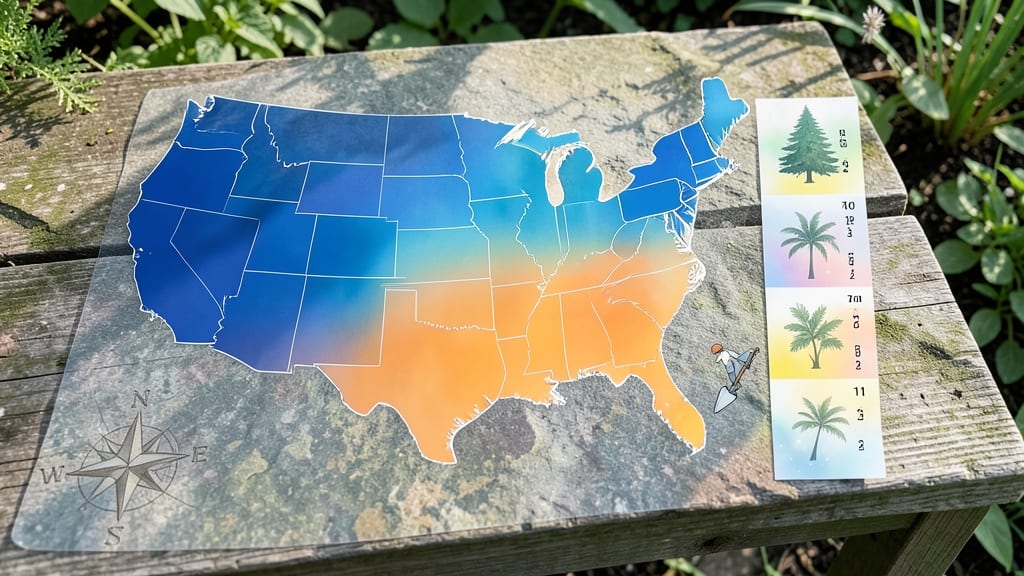
The 2024 USDA Gardening Zones update reflects warmer temperature averages across most regions, with many areas shifting one zone higher and introducing Zone 13 for extreme desert climates. Use the interactive zone finder to pinpoint your exact location and account for microclimate factors like urban heat or elevation.
The 2024 update marks the first time the USDA has formally acknowledged climate change's impact on gardening zones, with data spanning 30 years instead of the previous 10-year average.
This shift means plants once considered risky in Zone 5 might now thrive there, while traditional Zone 7 plants could struggle in areas that have warmed significantly. 🌡️ For example, parts of the Northeast have moved from Zone 5 to Zone 6, while Southern California now includes Zone 13 for areas with year-round temperatures above 100°F.
What makes this update particularly useful is the inclusion of microclimate adjustments—factors like urban heat islands (where cities stay warmer than surrounding areas) or elevation changes (where higher altitudes create cooler microclimates).
I always recommend checking both your official zone and any local variations before selecting plants, especially for sensitive species like citrus or tropical varieties.
💡 In This Article
- How USDA Plant Hardiness Zones Are Calculated
- Adjusting Your Garden Plan for Microclimates and Zone Shifts
How USDA plant hardiness zones are calculated
The USDA Plant Hardiness Zone Map relies on 30-year averages of the lowest winter temperatures recorded in a given area. Unlike previous versions that used 10-year averages, the 2024 update reflects long-term climate trends, capturing gradual warming patterns more accurately.
Each zone represents a 10°F difference in average minimum temperatures—Zone 3 ranges from -40°F to -30°F, while Zone 13 now covers areas where temperatures rarely drop below 100°F.
Data for these zones comes from thousands of weather stations across the U.S. and is processed using advanced climate modeling tools. The USDA partners with agencies like NOAA to ensure accuracy, incorporating satellite data and ground-level measurements.
This methodology helps explain why some regions have shifted one or even two zones warmer—for example, parts of the Midwest that were Zone 5 in 2012 may now fall into Zone 6 or 7 due to consistent temperature increases over the past decade.
What’s fascinating is how these zones are mapped using contour lines that connect areas with similar temperature extremes. Think of it like a topographic map for cold tolerance—just as elevation contours show changes in terrain, these lines illustrate shifts in climate suitability for plants.
The 2024 update also introduced half-zones (e.g., 6b, 7a) to provide more granularity, helping gardeners select plants with greater precision.
One key difference in the 2024 update is the inclusion of extreme desert climates as Zone 13, recognizing that some areas (like parts of Southern California and Arizona) experience such high heat that traditional zone classifications no longer apply.
This reflects a broader trend in climate science: acknowledging that maximum temperatures and heat stress are just as critical as minimum winter lows for plant survival.
For gardeners, this means you’ll need to consider not just the coldest temperatures but also heat tolerance and drought resilience. For instance, a plant labeled "Zone 7" might still struggle in a Zone 7 area with 110°F summers if it’s not heat-acclimated.
The USDA now recommends checking both the hardiness zone and heat zone for optimal plant selection.
Here’s a quick breakdown of what influences zone calculations:
- Latitude: Northern regions naturally have colder winters, while southern areas experience milder lows.
- Elevation: Higher altitudes can create microclimates that are 5-10°F colder than surrounding lowlands.
- Urbanization: Cities often trap heat, creating "urban heat islands" that can shift effective zones 1-2 degrees warmer.
- Bodies of Water: Coastal areas may have milder winters due to ocean currents, while inland regions can experience more extreme cold snaps.
The 2024 update isn’t just about numbers—it’s about adapting gardening practices to a changing climate. By understanding how these zones are calculated, you can make smarter choices about what to plant and where, ensuring your garden thrives in today’s shifting conditions. 🌱