
Tools
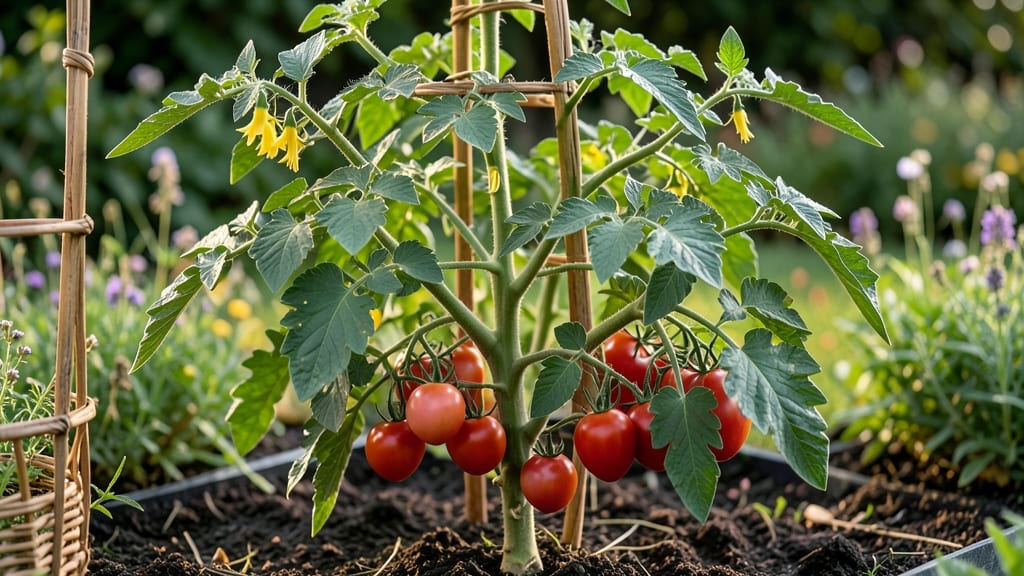
A tomato garden in Vernon, NJ thrives with well-draining, slightly acidic soil (pH 6.0-6.8), cold-hardy varieties like 'Early Girl' or 'Brandywine,' and protection from late frosts using row covers or black plastic mulch. Local microclimates favor late-season heat lovers like cherry tomatoes for extended harvests.
A tomato garden in Vernon, NJ, faces unique challenges thanks to the area's clay-heavy soil and variable microclimates. 🌱 The key is amending soil with compost and sand to improve drainage while maintaining that slightly acidic pH range.
I've seen firsthand how Vernon's urban heat pockets can push temperatures 5-10°F higher than surrounding areas, creating perfect conditions for late-season varieties like 'Sungold' cherry tomatoes that thrive when others might struggle. The right varieties and frost protection make all the difference between a mediocre harvest and a bountiful one.
What sets Vernon apart is how quickly the growing season transitions from cool springs to hot summers. That's why I recommend starting with early varieties that can handle cooler temperatures before giving way to heat-loving tomatoes as the season progresses.
The local climate also means you can extend your harvest well into fall if you choose the right plants and provide proper care during those temperature swings.
💡 In This Article
- Vernon NJ Soil and Microclimate Secrets for Tomato Success
- Best Tomato Varieties and Planting Schedule for Vernon NJ Gardens
Vernon NJ soil and microclimate secrets for tomato success
Vernon's clay-heavy soil presents a double-edged sword for tomato growers. The natural clay particles pack tightly, creating poor drainage that roots despise—water pools around them, leading to rot and stunted growth.
This is why I always recommend amending with equal parts compost and coarse sand (about 2-3 inches mixed into the top 12 inches of soil). The compost introduces beneficial microbes and organic matter that improve soil structure, while the sand creates air pockets for better oxygen flow to roots.
Think of it like adding tiny drainage tunnels that prevent waterlogging during Vernon's frequent summer downpours.
The slightly acidic pH range of 6.0-6.8 isn't just a number—it's crucial for nutrient availability. Tomatoes need accessible phosphorus for root development and calcium to prevent blossom-end rot, both of which become scarce in soils outside this range.
Testing your soil's pH is easy: grab a $10 test kit from your local garden center and follow the simple instructions. If your reading comes in at 5.5 or lower, sprinkle crushed limestone into the soil and water thoroughly.
The chemical reaction will slowly raise the pH over 2-3 months, creating the perfect environment for your plants to thrive.
Vernon's urban heat islands create microclimates that can make or break your tomato garden. Buildings and pavement absorb and radiate heat, creating zones that can be 5-10°F warmer than surrounding areas. This extra heat accelerates plant growth but also increases disease pressure from fungi that thrive in warm, humid conditions.
I've noticed this effect most dramatically near the Passaic River area where moisture from the water body combines with urban heat to create perfect conditions for early blight. The solution? Plant heat-tolerant varieties like 'Heatmaster' tomatoes and use reflective mulch to deflect some of that excess radiant heat.
Water bodies like the nearby Passaic River and Ramapo River create another layer of microclimate complexity. The rivers moderate temperatures through evaporation, creating cooler pockets near their banks while inland areas can experience more extreme heat fluctuations.
This is why I recommend planting your most heat-sensitive varieties near water sources and reserving the heat-tolerant ones for inland spots. The temperature difference can be as much as 3-5°F between these microclimates, which translates to 1-2 weeks difference in maturity for your tomatoes.
One often-overlooked factor in Vernon's microclimates is wind patterns. The area's layout creates funneled wind channels that can desiccate tomato leaves, making plants more susceptible to sunburn and disease.
Installing windbreaks made of corn stalks or burlap on the north and west sides of your garden can reduce wind speeds by up to 40%.
These simple structures create a buffer zone that maintains more stable humidity levels around your plants—critical for preventing the rapid moisture loss that leads to cracked fruit and weakened stems.
Here's a pro tip: Monitor your garden's microclimate with a $20 digital thermometer/hygrometer placed at plant height. I keep one in my Vernon garden and have documented temperature swings of 20°F within a 50-foot radius during summer afternoons.
This data helps me make real-time decisions about irrigation and shade cloth use, giving my tomatoes the precise conditions they need to thrive in Vernon's challenging climate. 🌡️