
Pests
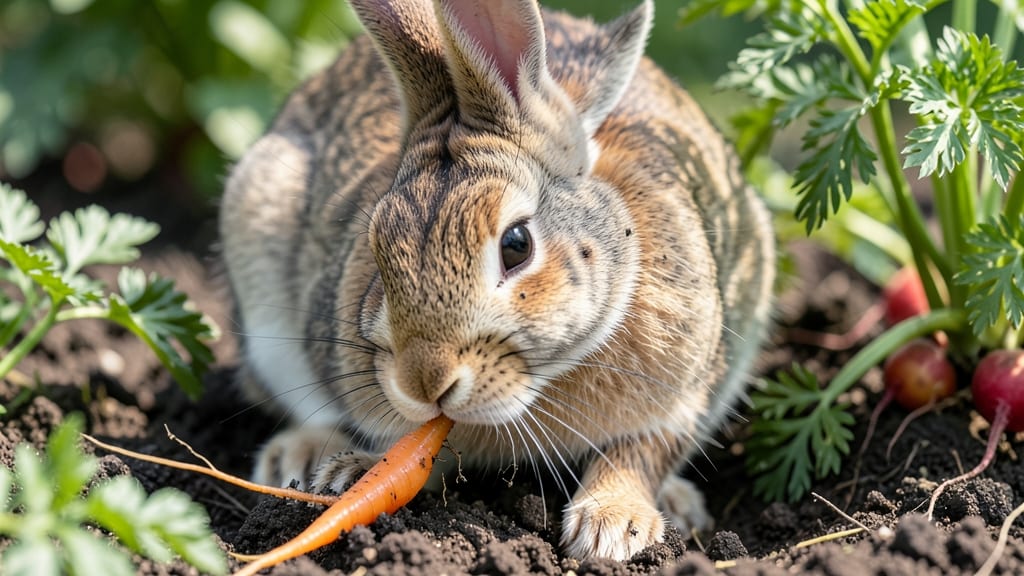
When gardening with Peter Rabbit in mind, prioritize fast-growing greens like leafy lettuce, sweet peas, and radishes—his absolute favorites—while implementing layered defenses like companion planting, physical barriers, or organic repellents to protect your harvest.
Peter Rabbit's taste for tender, young plants stems from their high moisture and mild sweetness—qualities that make them irresistible to him. 🌱 Unlike hardy vegetables, these plants regrow quickly, which means you'll need to stay one step ahead by choosing varieties with strong regrowth potential, like arugula or bok choy.
The key is combining his favorite treats with strategic planting: place less appealing herbs like rosemary or thyme near vulnerable greens, as their strong scents naturally deter him.
For maximum protection, I recommend a multi-layered approach—start with physical barriers like chicken wire around raised beds, then add organic sprays made from garlic or hot peppers for an extra line of defense.
What many gardeners overlook is that Peter Rabbit's foraging habits shift with the seasons. In spring, he targets fresh shoots, while summer brings a preference for ripening peas and beans. Understanding these patterns lets you time your planting and harvesting to minimize losses.
For example, succession planting radishes every two weeks ensures a continuous harvest while keeping his focus divided. The goal isn't to eliminate Peter Rabbit entirely—it's about creating a garden where both you and your furry neighbor can coexist harmoniously.
💡 In This Article
- Peter Rabbit’s Favorite Garden Plants and Why He Loves Them
- Effective Peter Rabbit Deterrents for Your Garden
Peter Rabbit’s favorite garden plants and why he loves them
Peter Rabbit’s culinary preferences aren’t random—they’re driven by botanical traits that make certain plants irresistibly tender and nutritious. 🌿 His favorites, like leaf lettuce and pea shoots, contain high moisture content (90-95%) and low fiber, making them easy to digest and rich in natural sugars.
Radishes, with their crisp 70-80% water composition, provide both hydration and a mild sweetness that rabbits adore. The key is their youthful growth stage: Peter targets seedlings and young leaves because their cell walls are thinner and less fibrous, requiring minimal chewing effort.
Texture plays a crucial role too. Plants like clover and alfalfa have soft, velvety leaves that contrast sharply with woody stems or tough-skinned vegetables. 🌱 The science behind this is simple: rabbits evolved to seek out plants with high digestibility and low defense mechanisms.
Lettuce varieties like butterhead, with their delicate, overlapping leaves, are particularly vulnerable because they lack the bitter compounds found in more resilient greens like kale.
Even the scent matters—Peter is drawn to plants with mild, sweet aromas, which signal high nutritional value without the harshness of compounds like tannins.
Growth habits also influence his foraging patterns. Fast-growing plants like peas and radishes regenerate quickly, giving Peter a continuous buffet that keeps him returning. 🌱 Unlike slow-growing crops, these plants reach his preferred 2-4 inch height in just 3-6 weeks, making them ideal targets.
The trade-off? Their rapid growth means you’ll need to stay vigilant, harvesting or protecting them before they become established enough to resist nibbling. This is why succession planting—sowing new seeds every 2-3 weeks—is so effective: it keeps Peter’s attention divided across multiple planting stages.
Seasonal preferences add another layer to the puzzle.
In spring, Peter focuses on new shoots and sprouts, while summer brings a shift toward flowering peas and beans, which offer both leaves and tender pods. 🌱 This seasonal pattern explains why early-season crops like spinach and arugula often suffer more damage—they’re the first tender greens to emerge.
Understanding these cycles lets you time your plantings strategically, ensuring vulnerable crops reach maturity before Peter’s appetite peaks. For example, planting radishes in late summer (when Peter’s focus shifts to other foods) can yield harvests with minimal damage.
What’s often overlooked is how Peter’s foraging behavior changes with plant maturity.
Young plants are his primary target, but as they grow, their increased fiber content and structural defenses make them less appealing. 🌱 This is why older lettuce heads (with tougher leaves) or mature radishes (with thicker skins) often escape his notice. The lesson?
If you can guide plants past their 3-4 week growth stage before Peter discovers them, you’ll see significantly less damage. This is where protective measures—like row covers or temporary fencing—become your best allies.
For gardeners who want to coexist with Peter, the solution lies in selective planting.
Choose varieties that balance his preferences with your harvest goals: leaf lettuce (for quick regrowth), sugar snap peas (for continuous pods), and radishes (for rapid turnover). 🌱 These plants satisfy Peter’s cravings while giving you multiple harvest opportunities.
The secret? Plant them in small, scattered batches rather than large monocultures—this makes it harder for Peter to locate and deplete your entire crop. Combine this with companion planting (like interspersing garlic or onions), and you’ll create a garden where both you and Peter can thrive.