
How To
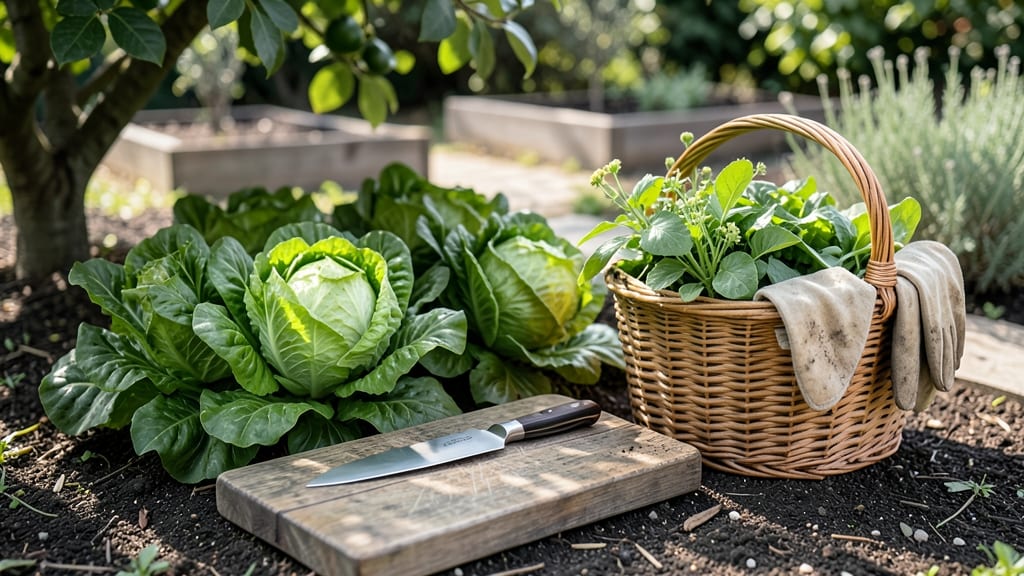
Harvesting lettuce from your garden at the right time means crisp, flavorful leaves that keep coming back—no bitterness or bolting in sight.
Picture this: you reach for a head of store-bought lettuce, only to find it wilted and tasteless within days. That’s why knowing when and how to harvest your 🥬 makes all the difference—especially in Zone 6a where spring and fall crops thrive.
Whether you’re picking leaf lettuce for salads or harvesting whole heads for sandwiches, timing is everything. Cut too early, and you miss peak flavor; wait too long, and you risk bolting.
Below, I’ll walk you through the best methods for clean cuts, tools to use, and how to encourage regrowth so your garden keeps producing.
Ready to turn your garden into a never-ending supply of fresh, homegrown greens? Let’s dive into the steps that’ll keep your lettuce happy—and your kitchen stocked.
Best times to harvest lettuce for optimal flavor and regrowth
Timing your lettuce harvest is everything—picking too early means bitter, underdeveloped leaves, while waiting too long can trigger bolting (flowering) and ruin your crop. The key is harvesting at the right maturity stage for your variety, whether it's leaf lettuce or head lettuce.
For leaf varieties like buttercrunch or looseleaf, you can start harvesting as soon as the outer leaves reach 4-6 inches, while head lettuce like iceberg or romaine needs full head formation before picking.
Seasonal timing also matters—spring and fall are the ideal harvest windows in most climates (USDA Zone 6a). In spring, aim for harvests between May and June, while fall lettuce thrives from September to October.
Heat above 75°F or drought stress will send your lettuce bolting, so always harvest before the weather turns hot or dry. Even a single flower stalk means your plant has shifted its energy from leaves to seeds, and regrowth becomes impossible.
Here’s how to identify the perfect harvest moment for both types:
For leaf lettuce, you can harvest continuously by plucking outer leaves every 2–3 weeks. This method keeps your plant producing new growth for 6–8 weeks or until heat triggers bolting. Always use a clean, sharp knife or scissors to avoid damaging the inner leaves.
Cut just above the soil line or a leaf node to encourage regrowth—never rip leaves, as this can tear the plant and invite pests.
Head lettuce, however, should be harvested all at once when the head is fully formed. Look for a tight, compact shape with no gaps or loose leaves. If you spot yellowing leaves or a tall flower stalk, it’s past its prime.
For varieties like romaine, you can also harvest by cutting the entire head at the base, leaving a 1-inch stem to encourage a second, smaller harvest in 2–3 weeks.
Seasonal adjustments are critical. In spring, lettuce grows quickly in cooler weather, so check for readiness every 5–7 days. In fall, slower growth means you can space harvests 7–10 days apart.
If your garden experiences hot summer months, opt for shade-tolerant varieties like oakleaf and harvest early in the morning to avoid wilting. Always store harvested lettuce in a plastic bag with a paper towel in the fridge to extend freshness for up to 10 days.
One common mistake is waiting until lettuce bolts to harvest. By then, the leaves are bitter and tough, and the plant’s energy is focused on reproduction.
Instead, prioritize preventative care: use shade cloth in summer, mulch to retain moisture, and fertilize with high-nitrogen compost every 4–6 weeks to encourage leafy growth. If you miss the window, try succession planting—sow new seeds every 2 weeks to ensure a continuous harvest.
Pro tip: Taste-test your lettuce before full maturity. Some varieties like arugula or mâche are best harvested young (around 30 days) for their mild, peppery flavor.
Others, like butterhead, develop their signature sweetness at 45–50 days. Adjust your harvest schedule based on flavor preferences and variety traits.
Finally, never harvest lettuce after a hard frost—the leaves will turn mushy and inedible. In regions with mild winters, winter-hardy varieties like winter density can be harvested until late fall, but always check for ice damage before eating.
With the right timing, your lettuce patch can provide weeks of fresh harvests, making homegrown greens far superior to store-bought.
Step-by-step lettuce harvesting techniques for different varieties
Harvesting lettuce at the right time ensures maximum flavor and encourages continuous growth. The method you choose depends on whether you're growing leaf lettuce (like romaine or butterhead) or head lettuce (like iceberg or crisphead).
For leaf varieties, you can pick individual leaves, while head lettuce requires cutting the entire plant at once. Always harvest in the morning when leaves are crisp and hydrated for the best texture.
Before you begin, gather your tools: a sharp pair of pruning shears or a clean knife, a basket for harvesting, and a spray bottle with water to refresh wilted leaves. Wear gloves if your garden has pests or sharp plants.
The key is to work quickly to avoid damaging the plant and to harvest only what you need—lettuce doesn't store well once picked, so plan your meals around your harvest.
-
Step 1: Identify Mature Leaves
For leaf lettuce, look for leaves that are 4-6 inches long, firm to the touch, and vibrant in color. Avoid harvesting leaves that are still small or pale—they won’t be as flavorful. For head lettuce, wait until the head is fully formed and firm, typically 60-70 days after planting. -
Step 2: Use the Right Cutting Technique
For leaf lettuce, grasp the outer leaf near the base and cut it off cleanly with shears or a knife, leaving the inner leaves intact. For head lettuce, hold the plant firmly at the base and cut the entire head about 1 inch above the soil line to avoid damaging the roots. -
Step 3: Harvest Bolting Plants
If your lettuce is bolting (sending up a tall flower stalk), it’s time to harvest immediately. Cut the entire plant at the base, including the stalk, as the leaves will turn bitter. Bolting often happens in hot weather, so prioritize harvesting these plants first. -
Step 4: Refresh and Store
Place harvested leaves in a bowl of ice water for 10-15 minutes to crisp them up. Drain and pat dry with a clean towel. Store in the crisper drawer of your fridge for up to 5-7 days, or wrap in a damp paper towel for longer storage. -
Step 5: Encourage Regrowth
After harvesting, water the soil deeply to support regrowth. For leaf lettuce, the remaining plant may produce 2-3 more harvests if cared for properly. Avoid overcrowding by thinning seedlings early in the season.
When harvesting leaf lettuce varieties like romaine or oakleaf, focus on the outer leaves first. This allows the inner leaves to continue growing, giving you multiple harvests from a single plant.
Use a pair of clean scissors to snip leaves just above a leaf node, which is where new growth emerges. This method minimizes damage and keeps the plant productive for weeks.
For head lettuce varieties, timing is critical. Harvest when the head feels firm and reaches its mature size, typically 60-70 days after planting. If left too long, head lettuce can become loose or bitter.
Cut the entire head at the base with a sharp knife, leaving the roots intact. You can replant the area with another crop like radishes or spinach, as lettuce roots decompose quickly.
If your lettuce starts to bolt—sending up a tall flower stalk—harvest the entire plant immediately. Bolting is a natural response to heat or stress, and the leaves will turn bitter.
Cut the plant at the base, including the stalk, and compost it. To prevent bolting in the future, provide partial shade during hot afternoons and keep the soil consistently moist.
After harvesting, rinse your tools with soapy water and disinfect them with rubbing alcohol to prevent the spread of disease. Proper tool maintenance ensures clean cuts and healthy plants for future harvests. With the right techniques, you can enjoy a steady supply of fresh, homegrown lettuce all season long.