
How To
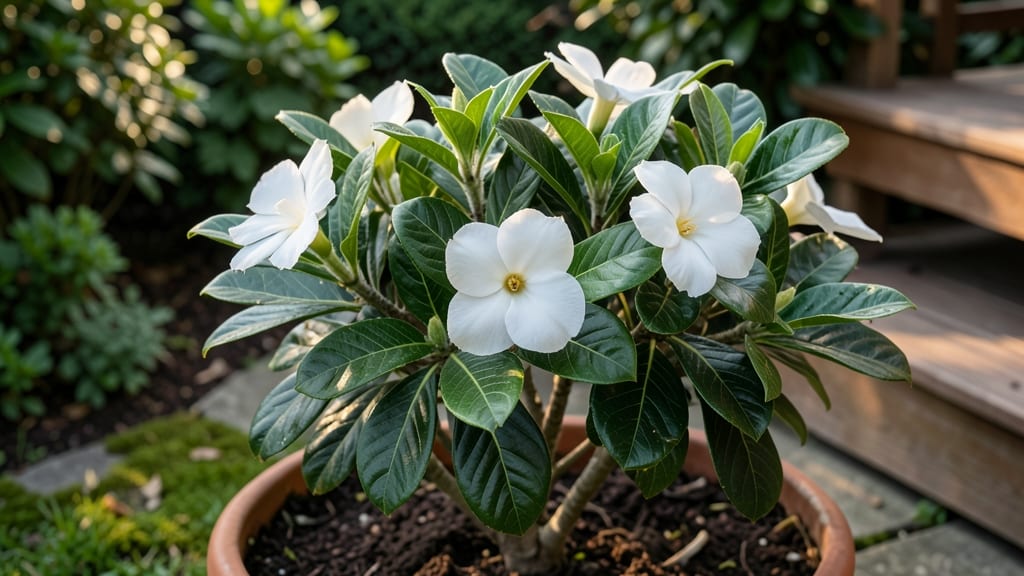
Gardenia plants grow anywhere from 2 to 6 feet tall, depending on the variety and growing conditions, making them a versatile choice for both small gardens and larger landscapes.
If you're dreaming of fragrant, creamy-white blooms but wondering whether gardenias will fit your garden's height requirements, you're in the right place—these tropical beauties come in surprising sizes!
Dwarf varieties like Gardenia radicans stay compact at 2 to 3 feet, perfect for containers or small spaces, while standard types like Gardenia jasminoides can reach 4 to 6 feet when given the right care and conditions.
In this guide, you'll discover how pruning, soil quality, and sunlight exposure can influence their height, plus tips for choosing the perfect variety to match your garden's layout.


Gardenia height by variety: mature size expectations
If you're planning your garden layout around these fragrant stars, understanding gardenia height by variety is key. These tropical shrubs range from compact container-friendly sizes to towering landscape statements, with some varieties reaching heights that rival small trees.
The most common type, Gardenia jasminoides, typically grows between 3 to 6 feet at maturity, but there are dwarf and climbing varieties that defy expectations.
Your garden's space constraints and aesthetic goals will dictate which variety you choose. For example, dwarf gardenias like 'Kleim's Hardy' stay under 3 feet, making them perfect for patios and balconies, while standard varieties like 'Radicans' can climb to 15 feet when given proper support.
The right selection ensures your gardenia thrives without overwhelming your space or requiring constant pruning.
Here's a quick visual comparison of popular gardenia varieties and their mature heights to help you visualize their potential in your garden:
| Variety | Mature Height | Growth Habit | Best For |
|---|---|---|---|
| Gardenia jasminoides 'Kleim's Hardy' | 2–3 ft | Bushy, compact | Containers, small gardens |
| Gardenia jasminoides 'Radicans' | 6–15 ft | Climbing, sprawling | Trellises, large landscapes |
| Gardenia jasminoides 'Veitchii' | 3–5 ft | Upright, bushy | Borders, foundation plantings |
| Gardenia augusta | 10–15 ft | Tree-like, tall | Privacy screens, large yards |
| Gardenia radicans | 12–18 ft | Vining, aggressive climber | Arbors, pergolas, walls |
| Gardenia jasminoides 'Fortuniana' | 4–6 ft | Bushy, rounded | Hedges, mixed borders |
The Gardenia jasminoides group offers the most variety, with sizes ranging from 2-foot dwarf varieties to 15-foot climbers. If you're working with limited space, 'Kleim's Hardy' is a fantastic choice—it stays under 3 feet while still producing those iconic creamy-white, intoxicating blooms.
For larger properties, Gardenia augusta and Gardenia radicans can create dramatic focal points with their towering heights.
Climbing varieties like Gardenia radicans are perfect for adding vertical interest to your garden. When trained on a trellis or fence, they can reach 18 feet or more, making them ideal for creating natural privacy screens or framing entryways.
Just be prepared for their vigorous growth—these plants don't play small! A sturdy support structure is a must to handle their weight and spread.
For those with small gardens or containers, focus on the dwarf varieties. 'Kleim's Hardy' and similar compact types thrive in 15-gallon pots and can be moved seasonally to follow the sun or protect from frost.
Their manageable size also makes them easier to prune and maintain, which is a bonus for busy gardeners. Just ensure your container has drainage holes and use a well-draining potting mix to prevent root rot.
One factor that often surprises new gardenia growers is how soil conditions and climate influence height. Gardenias prefer acidic, well-draining soil with a pH between 4.5 and 6.0. In ideal conditions—like USDA Zones 7-10—they grow more vigorously and reach their full height potential.
However, in cooler climates, their growth may be slower, and they might stay smaller unless you provide winter protection like mulch or a frost cloth.
If you're aiming for a neat, manicured look, regular pruning can help control height and encourage bushier growth. Prune right after flowering to shape the plant and remove any dead or overcrowded branches. Avoid heavy pruning in late summer, as this can reduce next year's bloom production.
With the right variety and care, you can enjoy gardenias that fit perfectly in your space—whether that's a tiny balcony or a sprawling backyard.
Remember, gardenias are slow growers compared to many other shrubs, so don't expect dramatic height changes in a single season. Plan for their mature size from the start, and you'll be rewarded with years of fragrant blooms and lush foliage that elevates any garden. 🌸
Pruning gardenias for height control: step-by-step guide
Pruning gardenias isn't just about keeping them from towering over your patio—it's the secret to healthier blooms and bushier growth. These tropical shrubs can reach 6 feet tall if left unchecked, but with the right techniques, you can shape them to fit your space while preserving their iconic fragrance.
The key is timing, tools, and knowing which cuts to make to encourage new growth.
I’ve pruned gardenias for years, and the best time to tackle this task is late winter or early spring, just before new growth begins. This timing gives your plant time to recover before summer’s heat stress.
Avoid pruning in fall or winter, as cold weather slows healing. For container gardenias, you can prune lightly throughout the growing season, but always use sterilized tools to prevent disease.
-
Step 1: Gather Tools
- Sharp bypass pruners for clean cuts
- Sterilized hand pruners for small stems
- Garden gloves (gardenias have thorns!)
- Disinfectant (like rubbing alcohol)
-
Step 2: Assess the Plant
- Identify dead or diseased branches (remove first)
- Spot crossing or rubbing branches (prune to open canopy)
- Look for overly leggy growth (target for height control)
-
Step 3: Make the Cuts
- Cut just above a leaf node at a 45° angle
- Remove up to 1/3 of the plant’s height max per session
- Avoid cutting old wood (no new blooms will form)
-
Step 4: Encourage Bushiness
- Trim top growth to promote lateral branches
- Pinch back new growth tips in spring for denser foliage
- Avoid shearing (it stresses gardenias)
-
Step 5: Post-Pruning Care
- Apply mulch to retain moisture
- Water deeply to reduce shock
- Fertilize with acid-loving plant food in 4-6 weeks
When pruning, always cut just above a leaf node—this is where new growth will sprout. For height control, focus on the top third of the plant, removing the longest stems first. This redirects energy to lower branches, creating a fuller, more compact shape.
Pro tip: If your gardenia is over 6 feet tall, prune in stages over 2-3 years to avoid shocking the plant.
After pruning, your gardenia will need extra care to bounce back. I recommend watering deeply every 5-7 days and avoiding fertilizers high in nitrogen, which promote leafy growth over blooms.
Instead, use a balanced 10-10-10 fertilizer to encourage flowering. With proper pruning, your gardenia will reward you with dense foliage and abundant blooms all season long.
Remember, gardenias respond best to gentle pruning. Over-pruning can stress the plant and reduce flowering. For dwarf varieties, minimal pruning is needed—just remove dead wood and shape lightly. For standard varieties, a little more aggressive pruning will keep them manageable.
With patience and the right techniques, you’ll have a gardenia that’s both fragrant and perfectly sized for your garden! 🌿