
Light Requirements
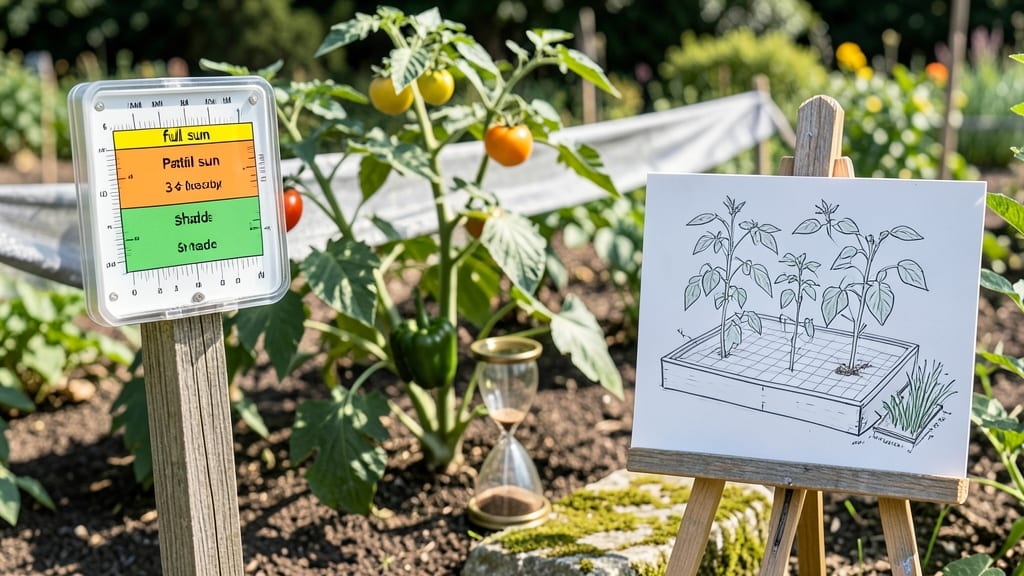
A vegetable garden needs 6 to 8 hours of sun daily to thrive, though some crops can handle less—knowing the difference saves you from wasted space and underperforming plants.
Struggling to decide where to plant your vegetables? The wrong amount of sunlight can mean the difference between a thriving harvest and wasted effort. Whether you're working with a bright backyard or a shady corner, understanding light needs by crop type is the key to success.
Most vegetables—like tomatoes, peppers, and cucumbers—demand full sun, while greens such as lettuce and spinach can handle partial shade. Without the right balance, you might end up with leggy plants, bitter flavors, or even no harvest at all.
In this guide, I’ll break down exactly how many hours of sun your 🌱 vegetable garden needs, which crops shine (literally) in different light conditions, and how to adjust your layout if your space falls short.


Sunlight requirements for vegetable gardens: full sun vs partial shade explained
When planning your vegetable garden, sunlight is the most critical factor after soil quality.
Most gardeners assume full sun means all-day exposure, but the reality is more nuanced. Vegetable sunlight needs vary dramatically—some crops thrive with 6+ hours of direct light, while others bolt or wilt under the same conditions. Understanding these differences will transform your garden from a gamble to a guaranteed harvest.
Let’s break down the science: Full sun (6+ hours of direct sunlight) is ideal for tomatoes, peppers, and cucumbers, but even these stars can suffer in extreme heat without proper care. Partial shade (3-6 hours) suits leafy greens and root vegetables, while light shade (<3 hours) is a niche for delicate herbs.
The key? Matching your garden layout to each plant’s native growing conditions.
Here’s the catch: sunlight intensity isn’t static. A 6-hour sun exposure in spring might feel like 8 hours in summer due to longer daylight. Conversely, winter’s shorter days shrink your effective sunlight window. Climate matters too—coastal gardens may get diffused light, while inland areas face intense midday rays.
Ignoring these variables often leads to stunted growth or bitter flavors in your produce.
Many gardeners overestimate their garden’s sunlight. A common misconception is that 6 hours of sun means any 6 hours will do—but timing is everything. Morning sun (6 AM–12 PM) is gentler, while afternoon sun (12 PM–6 PM) can scorch tender leaves.
For example, basil needs consistent morning light to prevent leaf burn, while kale tolerates afternoon shade better than full exposure.
Seasonal shifts can turn your garden into a sunlight rollercoaster. In Zone 6, summer days stretch to 15 hours of light, but winter drops to just 9.
This means your tomato plants, happy in July with 8 hours of sun, might struggle in May with only 6. Adjust your planting schedule by starting heat-loving crops like peppers after Memorial Day when days lengthen, or opt for cool-season varieties like broccoli in early spring.
Climate also alters sunlight quality. In humid climates, thick clouds filter UV rays, while arid regions reflect intense heat. For example, a 6-hour sun exposure in Florida may feel like 4 hours in Arizona due to glare.
Use a sun gauge (a simple DIY with a stick and string) to track real sunlight hours in your space—most gardeners overestimate by 20%. Pro tip: Observe your garden from 10 AM to 4 PM to spot shaded areas cast by fences or trees.
Not all full-sun plants need unrelenting light. Tomatoes, for instance, can handle 5 hours of direct sun if the remaining hours are bright and indirect. The trick is intensity over duration. Peppers, however, demand 7+ hours or they’ll produce few fruits.
Test your garden’s microclimates: A north-facing bed might get only 4 hours of sun, while a south-facing one soaks up 8+ hours. Rotate crops accordingly—place heat-sensitive greens in partial shade and sun-worshippers in the hottest spots.
If your garden lacks natural sunlight, don’t despair. Reflective surfaces (like white gravel or mirrors) can redirect light, adding 1-2 extra hours of effective exposure. For shadier spots, choose shade-tolerant varieties like ‘Outredgeous’ lettuce or ‘Black Krim’ tomatoes, which handle 4-5 hours of sun.
Even in low-light conditions, container gardening on a sunny patio or balcony can boost yields significantly.
Remember: Sunlight is non-negotiable, but it’s not the only factor. Pair your light analysis with soil tests and watering schedules to create the perfect growing environment. By mastering these basics, you’ll turn your garden into a high-yielding powerhouse—no guesswork required
Vegetable sunlight needs by crop type: a complete light requirement guide
Not all vegetables thrive under the same amount of sunlight, and understanding their individual needs can transform your garden from a struggle to a success.
Some crops, like tomatoes and peppers, demand full sun to produce their best yields, while others, such as spinach and kale, can tolerate shade and even prefer cooler conditions.
Knowing these differences helps you maximize your garden space and avoid disappointment when your cucumbers bolt or your lettuce turns bitter.
Sunlight isn’t just about hours—it’s also about intensity. A 6-hour window in summer may feel different than the same duration in spring or fall. For example, a south-facing garden in Zone 6 might get intense midday sun, while an east-facing spot could offer gentler morning rays.
Even within your garden, taller plants can cast shadows that affect nearby crops, so placement matters just as much as sunlight exposure.
If you’re working with limited sunlight, focus on leafy greens and root vegetables, which often do well with 4-6 hours of sun. For example, bush beans and radishes can thrive in partial shade, while carrots and beets prefer a mix of sun and dappled light.
Even in these cases, avoid planting them in deep shade, where they may become leggy or fail to produce edible parts.
For full-sun crops, prioritize the sunniest spots in your garden. If your space is limited, consider vertical gardening for vining plants like cucumbers or pole beans, which can climb trellises and access more light.
Just ensure the base of the plant still gets adequate sunlight, as roots and lower leaves need energy too. A simple trick? Place taller plants on the north side of your garden to avoid shading shorter crops.
Don’t forget about seasonal adjustments. In summer, your garden might get 10+ hours of daylight, but in winter, that drops to just 4-5 hours. If you’re growing cool-season crops like kale or broccoli, they’ll appreciate the extra shade in peak sun months.
Conversely, warm-season crops like peppers and tomatoes may need extra care in cooler months, like using row covers to extend their growing season.
Start by mapping your garden’s sunlight patterns—track how shadows move throughout the day—and then match your crops to those conditions. With the right placement, even a small garden can yield a bountiful harvest, no matter how much (or little) sun it gets. Happy planting! 🌿