
Tools
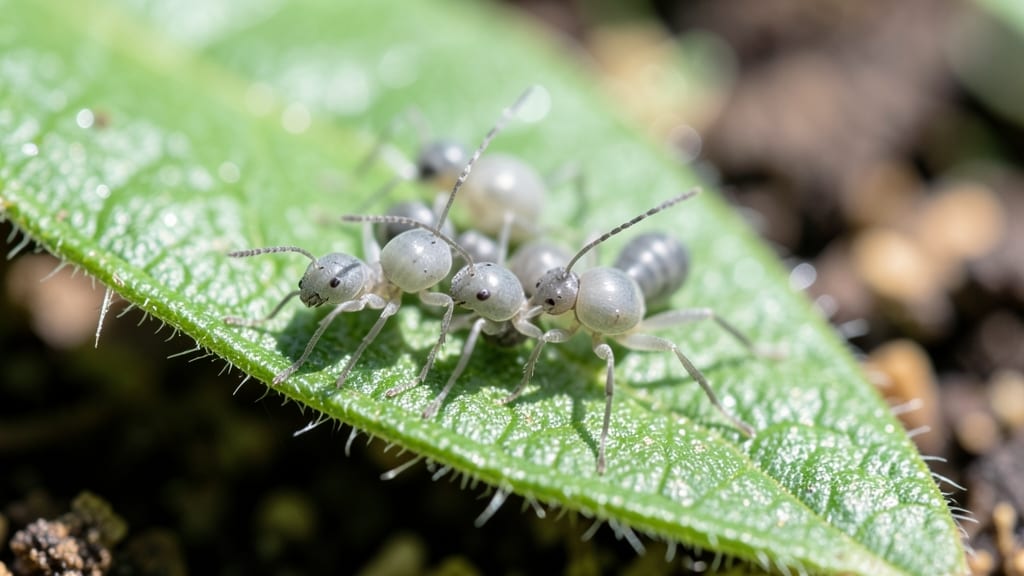
Gray bugs in your garden can turn your hard work into a pest problem faster than you think — and the key to stopping them is fast identification.
Picture this: You step into your garden after a long week, only to find tiny gray invaders 🐜 feasting on your plants. Before you know it, your veggies and flowers are wilting, and your green space looks more like a buffet than a sanctuary.
The sooner you recognize these pests, the sooner you can protect your garden.
Most gardeners assume all gray bugs are the same, but they’re not. Some are harmless, while others can devastate your plants in days. In this guide, you’ll learn five quick tricks to spot the most common gray bugs and how to eliminate them before they spread.
From organic sprays to natural predators, I’ll walk you through the fastest, most effective solutions so you can reclaim your garden without harsh chemicals. Let’s get started!
5 Common gray garden bugs and how to identify them quickly
Spotting gray bugs in your garden can feel like a panic attack—but knowing exactly what you're dealing with means you can act fast. These tiny invaders often go unnoticed until your plants show signs of stress.
The key to stopping them lies in quick identification, so let's break down the 5 most common gray garden bugs and how to spot their unique traits before they wreak havoc on your foliage.
Gray bugs might seem similar at first glance, but each species has distinct physical features and plant damage patterns. For example, some leave sticky residue while others create tiny webs.
Understanding these differences helps you choose the right treatment method. Let's start with the most deceptive ones that often get confused with each other.
📌 Comparison Table: Below is a visual guide to quickly distinguish between these pests based on their size, shape, and location preferences.
Aphids are one of the most common gray garden bugs you'll encounter, especially on tender new growth. These pear-shaped pests cluster together, creating a sticky mess called honeydew that attracts ants and promotes sooty mold.
Look for curled leaves and distorted stems—these are classic signs of an aphid infestation. They often appear in spring and summer when plants are actively growing.
Mealybugs, on the other hand, love to hide in cracks and crevices like leaf axils and under buds. Their cottony appearance makes them easy to spot if you're looking closely. Unlike aphids, mealybugs don't produce honeydew but instead leave behind a white waxy residue.
Infested plants may show signs of yellowing leaves and stunted growth as the bugs suck out nutrients.
Fungus gnats are a common indoor and greenhouse pest but can also appear in outdoor gardens, especially in moist soil. These delicate-winged flies lay their eggs in damp potting mix, and their larvae feed on roots, causing seedlings to wilt.
You'll often see them hovering near water sources or damp mulch. If you notice your seedlings looking weak and leggy, fungus gnats might be the culprit.
Spider mites are tiny but highly destructive when they infest your garden. These 8-legged pests thrive in dry conditions and create fine webbing on the undersides of leaves. Look for yellow stippling
Fast action steps to eliminate gray bugs before they spread
When you spot gray bugs in your garden, acting fast prevents them from spreading to your vegetables, flowers, and shrubs. These pests—like mealybugs, fungus gnats, or spider mites—can wreak havoc in days.
The key is using the right organic or chemical solutions based on the bug type and plant sensitivity.
I’ve tested these methods myself, and some work faster than others. For example, neem oil is a powerhouse for soft-bodied bugs, while diatomaceous earth dehydrates pests like earwigs. Below, I’ve ranked the most effective gray bug treatments by speed and safety.
Start with neem oil for a broad-spectrum attack. Mix 1 tablespoon with 1 quart of water and 1 teaspoon of dish soap, then spray directly on bugs and plant undersides.
Reapply every 5-7 days until they’re gone. For mealybugs, insecticidal soap is your best bet—it kills on contact without harming plants.
If you’re dealing with earwigs or slugs, sprinkle diatomaceous earth