
Planting
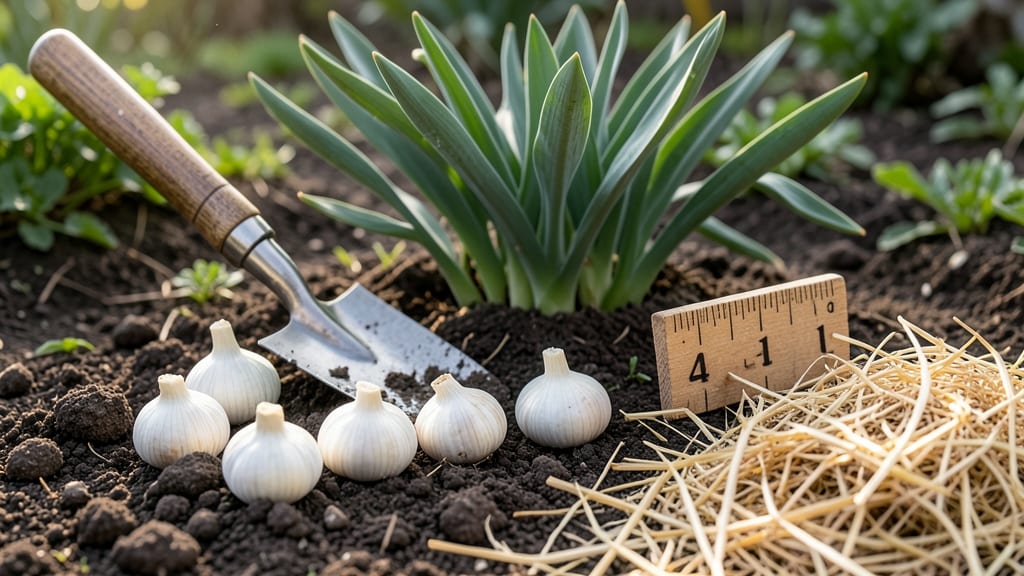
Spacing garlic in your garden correctly is the secret weapon for bigger, healthier bulbs that store longer—think 30% more yield just by adjusting a few inches.
Did you know that proper garlic spacing can increase your bulb size by 30% or more? If you're struggling with stunted garlic or poor yields, the secret lies in how—and how far—you plant each clove.
Too close, and they fight for nutrients; too far, and you waste space. The right distance ensures airflow, reduces disease, and lets each bulb reach its full potential.
Most gardeners overlook this step, but it’s one of the easiest ways to transform a mediocre harvest into a bounty. Whether you’re working with hardneck or softneck varieties, the spacing rules are simple once you know them.
Below, I’ll walk you through the exact measurements, common mistakes to avoid, and even space-saving tricks for small gardens.
Ready to grow garlic like a pro? You’ll learn the ideal distances between cloves and rows, how to prep your soil for maximum growth, and why a little extra space now saves you headaches later. Let’s get planting!
Optimal garlic spacing guidelines for maximum bulb growth
Getting your garlic spacing right is one of the simplest yet most impactful ways to grow larger, healthier bulbs. When cloves are too close, they compete for nutrients and sunlight, leading to smaller yields.
But spacing them too far apart wastes garden space. The key lies in balancing horizontal distance, vertical depth, and row spacing—with slight variations for hardneck vs. softneck varieties.
Hardneck garlic, known for its flavorful cloves and scapes, thrives with slightly wider spacing than softneck varieties. Meanwhile, softneck garlic—often used for braiding—can handle closer spacing because it produces more cloves per bulb.
Both types benefit from proper airflow to prevent fungal diseases like white rot, which thrives in crowded, damp conditions.
Below, I’ve broken down the science-backed spacing guidelines for both garlic types, including clove-to-clove distance, row spacing, and planting depth. These measurements ensure your garlic develops plump bulbs while maximizing your garden’s potential.
For hardneck garlic, the extra 2 inches of clove spacing and wider row spacing allow bulbs to develop their signature large central clove and multiple smaller cloves. This variety also produces scape shoots in early summer, which you can harvest to encourage larger bulb growth.
If you’re growing hardneck garlic in USDA Zone 5 or colder, aim for the wider end of the spacing range to protect against frost heave.
Softneck garlic, on the other hand, is more forgiving with spacing. Its ability to produce multiple small cloves per bulb means you can plant cloves closer together without sacrificing yield.
This makes softneck garlic ideal for small gardens or container growing, where space is limited. Just ensure rows are at least 10 inches apart to prevent overcrowding and disease.
When planting, always use a soil probe or stick to mark spacing guidelines. This prevents uneven planting, which can lead to stunted growth or uneven bulb sizes. For larger gardens, consider using a grid layout with stakes or string to maintain consistency.
Mulch with straw or shredded leaves after planting to retain moisture and suppress weeds, which can compete with your garlic for nutrients.
Another pro tip: Plant hardneck and softneck garlic in separate beds if possible. Hardneck varieties benefit from cooler temperatures and may not thrive alongside softneck garlic in hotter climates. This separation also makes it easier to manage <
Common garlic spacing mistakes that shrink your harvest
Even experienced gardeners accidentally make spacing mistakes that rob garlic plants of their full potential. When cloves are planted too close together, they compete for nutrients and sunlight, resulting in smaller bulbs and weaker stems.
I’ve seen gardens where garlic was planted in tight rows, only to produce bulbs half the expected size—simply because the plants couldn’t access enough resources.
Another frequent issue is uneven planting depth. Some cloves end up too shallow, while others get buried too deep. This inconsistency leads to uneven growth, where some plants thrive while others struggle. Even a half-inch difference in depth can impact root development and bulb formation.
🚨 ⚠️ callout-warning ⚠️
Symptoms: Yellowing leaves, stunted growth, bulbs under 2 inches in diameter.
Fix: Thin crowded plants immediately—keep 4-6 inches between cloves.
Pro Tip: Use a ruler or spacing guide to ensure consistency.
Soil compaction is another sneaky problem that reduces airflow and water penetration. When you walk on freshly planted garlic beds or use heavy tools, you compress the soil around the roots. This restricts root growth and forces plants to work harder just to access moisture and nutrients. I’ve noticed this most often in gardens where garlic is planted after other heavy crops like potatoes.
Diagnosing spacing issues early is key. Look for yellowing lower leaves or plants that lean toward the sun—these are classic signs of overcrowding. If your garlic plants are growing in a tight cluster with leaves touching, it’s time to thin them.
Even if you’ve already planted, you can gently separate the smallest clumps to give remaining plants room to grow.
To fix uneven planting, dig around the base of struggling plants and adjust their depth. Aim for 2 inches deep with the pointy end up. If some cloves are too shallow, press them gently into the soil to ensure proper root development.
This small adjustment can make a big difference in bulb size by the harvest season.
For compacted soil, loosen the area around each plant with a hand fork or trowel. Add a layer of compost or aged manure to improve soil structure and encourage root expansion. Mulching with straw or leaves also helps prevent future compaction while keeping moisture levels steady.
Remember, proper spacing isn’t just about distance—it’s about creating an environment where each garlic plant can thrive. When you get it right, you’ll see plump, healthy bulbs that make all the effort worthwhile. 🌱