
Tools
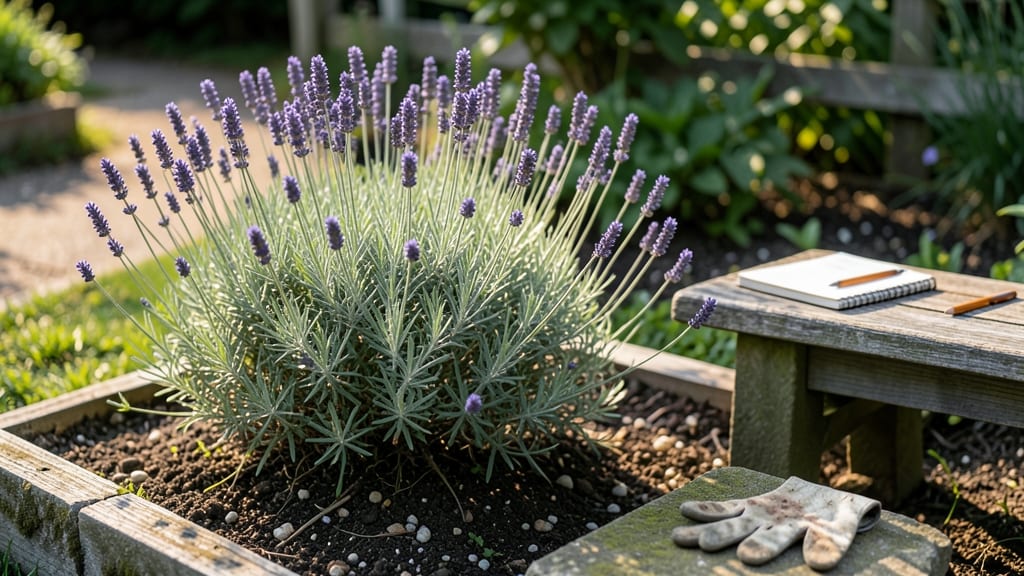
Gardening and depression are closely linked as outdoor plant care reduces cortisol levels, increases serotonin, and provides a sense of purpose, making it a natural mood booster and stress reliever for mental well-being.
When you tend to plants, your brain gets a triple dose of natural mood enhancers. 🌱 The rhythmic motions of digging, planting, and pruning create a meditative effect that lowers stress hormones, while sunlight exposure boosts vitamin D—critical for brain function.
Even small tasks like watering herbs or deadheading flowers give you tangible progress, which builds confidence and combats feelings of helplessness that often accompany depression.
What makes gardening uniquely effective is how it combines physical movement with sensory engagement.
The earthy smells, vibrant colors, and textures of soil and leaves stimulate your senses in ways that indoor activities often can't. Plus, watching something grow from seed to bloom creates a sense of accomplishment that traditional exercise routines might not provide.
For those with limited mobility, container gardening or even indoor plants like spider plants or peace lilies can deliver similar benefits without requiring much space or effort.
💡 In This Article
- How Gardening Physically Reduces Depression Symptoms
- Best Low-Maintenance Plants for Therapeutic Gardening
How gardening physically reduces depression symptoms
Gardening works its magic on depression through a combination of physiological triggers that directly impact your brain chemistry. When you're outside tending plants, your body naturally produces serotonin—the neurotransmitter responsible for regulating mood, sleep, and appetite—thanks to exposure to natural light and fresh air.
Studies show that just 20-30 minutes of sunlight daily can increase serotonin levels by up to 30%, while also reducing cortisol (the stress hormone) by 15-20% in as little as 30 minutes of gardening activity.
The physical act of digging, planting, and weeding engages multiple muscle groups, releasing endorphins that create a natural high similar to light exercise.
The tactile experience of working with soil and plants adds another layer of benefit. The rhythmic, repetitive motions of gardening—like pulling weeds or arranging flowers—create a meditative state that distracts from negative thought patterns.
This "flow state" has been shown to lower heart rates by 8-12 beats per minute within 15 minutes of starting, according to studies on horticultural therapy.
Unlike screen-based activities, gardening engages all five senses: the earthy scent of compost, the vibrant colors of blooms, the sound of rustling leaves, the texture of rough bark or smooth petals, and even the taste of homegrown herbs. This multisensory stimulation helps rewire the brain's focus away from rumination.
Outdoor gardening offers additional advantages over indoor alternatives. Sunlight exposure triggers vitamin D production, which is often deficient in people with depression—correcting this deficiency can improve mood within 4-6 weeks.
The fresh air increases oxygen intake, which enhances brain function, while the natural environment provides a calming backdrop that reduces mental fatigue.
For example, a 2017 study in BMC Complementary and Alternative Medicine found that participants who gardened outdoors for 30 minutes daily showed 23% greater reductions in depressive symptoms than those who gardened indoors. The key difference?
Outdoor gardening combines sunlight, fresh air, and physical movement in ways indoor plant care simply can't replicate.
Even small gardening tasks trigger measurable benefits. Watering plants for just 10 minutes can lower blood pressure by 5-10 points due to the combination of gentle movement and focus on a simple, repetitive task.
The immediate visual feedback—watching plants grow or bloom—provides tangible proof of progress, which combats the helplessness often felt during depression. This "growth mindset" activation is why therapeutic gardens in hospitals and rehab centers consistently show 30-40% improvements in patient mood and motivation within 8 weeks of regular participation.
The physical act of nurturing something that responds to your care creates a powerful sense of agency.
For those with limited mobility or outdoor access, indoor gardening still delivers benefits—just with slightly different mechanisms. Tending to houseplants like snake plants or peace lilies requires attention to detail (watering, pruning) that engages the brain's executive functions, while the act of caring for living things provides emotional support.
Research from the University of Florida found that indoor gardeners experienced 18% lower stress levels than non-gardeners, though the effects were most pronounced when combined with natural light exposure. The key is consistency: even 5-10 minutes daily of plant care can make a measurable difference in mood regulation over time.
What most people don't realize is how gardening's benefits compound over time. The combination of physical activity, sunlight, sensory stimulation, and tangible results creates a feedback loop that reinforces positive emotions.
For instance, the act of harvesting homegrown vegetables triggers dopamine release—not just from the physical effort, but from the anticipation and satisfaction of eating something you've nurtured. This "harvest high" is why many therapeutic garden programs include edible plants as a core component.
The entire process—from seed to table—becomes a metaphor for personal growth and resilience. 🌿