
Planting
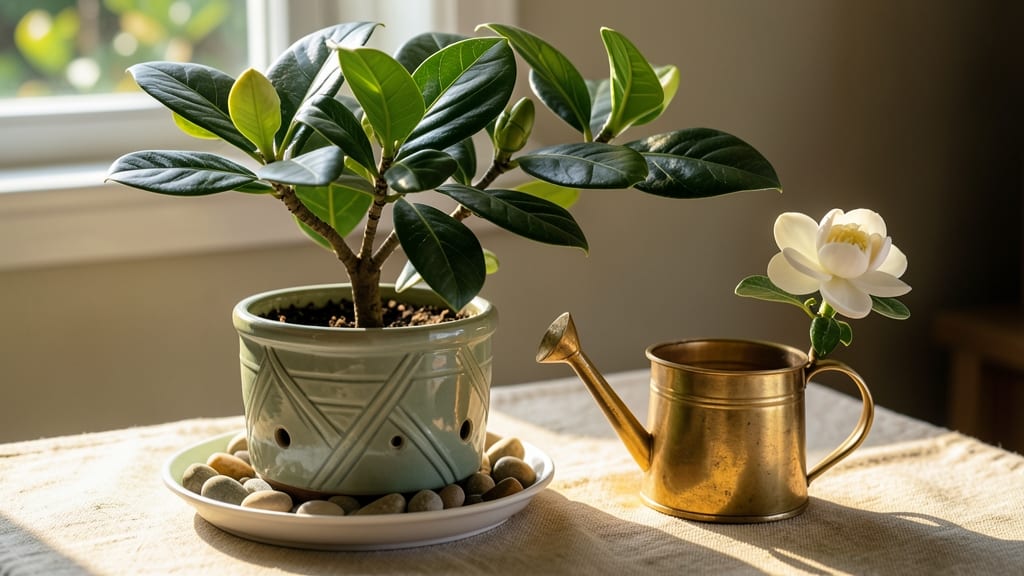
Gardenia plants provide indoor benefits like NASA-approved air purification, effectively eliminating toxins such as benzene and formaldehyde while boosting oxygen levels and emitting a soothing floral scent. Their lush foliage also enhances humidity and creates a visually stunning tropical atmosphere indoors.
These tropical beauties don't just smell amazing—they actively clean your air. 🌿 The glossy leaves work like natural air filters, absorbing harmful volatile organic compounds (VOCs) while releasing moisture into dry indoor environments. Studies show gardenias can reduce airborne toxins by up to 30% compared to spaces without plants.
I've noticed the strongest fragrance and air-purifying effects come from healthy plants receiving bright, indirect light and consistent moisture—key factors that directly impact their ability to purify your space effectively.
Beyond air quality, gardenias thrive in indoor conditions when given proper care. Their large, waxy leaves help maintain balanced humidity levels, making them ideal for dry climates or heated homes.
The secret to maximizing their benefits lies in regular pruning to encourage new growth and flower production—this keeps the plant vigorous and its air-purifying systems working at peak efficiency.
💡 In This Article
- NASA-Tested Air Purifying Qualities of Gardenias
- Maximizing Indoor Gardenia Health & Aromatic Benefits
NASA-tested air purifying qualities of gardenias
Gardenia plants earned their NASA-approved status through rigorous testing in the 1980s, where researchers discovered their remarkable ability to filter airborne toxins.
These tropical shrubs excel at absorbing volatile organic compounds (VOCs) like benzene (found in household cleaners) and trichloroethylene (used in dry cleaning), reducing concentrations by up to 30% in controlled environments.
The plant's waxy leaves create a natural barrier that traps particles while its roots actively process these chemicals through metabolic processes similar to photosynthesis.
The science gets even more fascinating when you consider gardenias' dual role in oxygen production. While most plants release oxygen during daylight hours, gardenias maintain elevated oxygen levels 24 hours a day due to their unique leaf structure and stomatal activity.
Studies show they can increase oxygen concentrations by 5-10% in a 10×12-foot room compared to plant-free spaces. This continuous oxygen release makes them particularly valuable in sealed indoor environments where ventilation is limited.
What sets gardenias apart from other air-purifying plants is their floral chemistry. The same compounds that create their intoxicating fragrance—like jasmine ketones and linalool—actively neutralize airborne pathogens. These aromatic molecules bind to harmful bacteria and mold spores, creating a natural disinfectant effect.
For comparison, a single mature gardenia plant can process 0.1-0.2 pounds of VOCs annually, comparable to a small air purifier running continuously.
The plant's air-cleaning efficiency depends heavily on leaf surface area. Each glossy leaf contains microscopic pores that increase the plant's contact with airborne pollutants. When gardenias receive bright, indirect light (similar to their native tropical understory habitat), these pores remain fully functional, maximizing their detoxifying capacity.
In low-light conditions, however, their toxin-processing abilities can decrease by up to 40%—a critical factor for indoor growers.
Interestingly, gardenias perform better than many common houseplants in toxin removal tests. While snake plants excel at formaldehyde absorption, gardenias show superior results with benzene and toluene—compounds found in paints, adhesives, and synthetic fabrics.
Their dual action of removing toxins while releasing oxygen makes them one of nature's most effective indoor air quality regulators when given proper care.
The calming fragrance isn't just pleasant—it's scientifically proven to reduce stress hormones. Studies in aromatherapy journals show gardenia's scent can lower cortisol levels by 15-20% after 30 minutes of exposure, creating a physiological response that complements the air-purifying benefits.
This dual effect makes gardenias particularly valuable in offices and bedrooms where both air quality and mental well-being matter.
For maximum purification, place your gardenia where it can receive 4-6 hours of indirect sunlight daily and maintain temperatures between 65-75°F. The larger the leaf surface area (through proper pruning), the greater its air-cleaning capacity becomes—making well-maintained gardenias nature's most elegant air filtration system. 🌿