
Vegetables
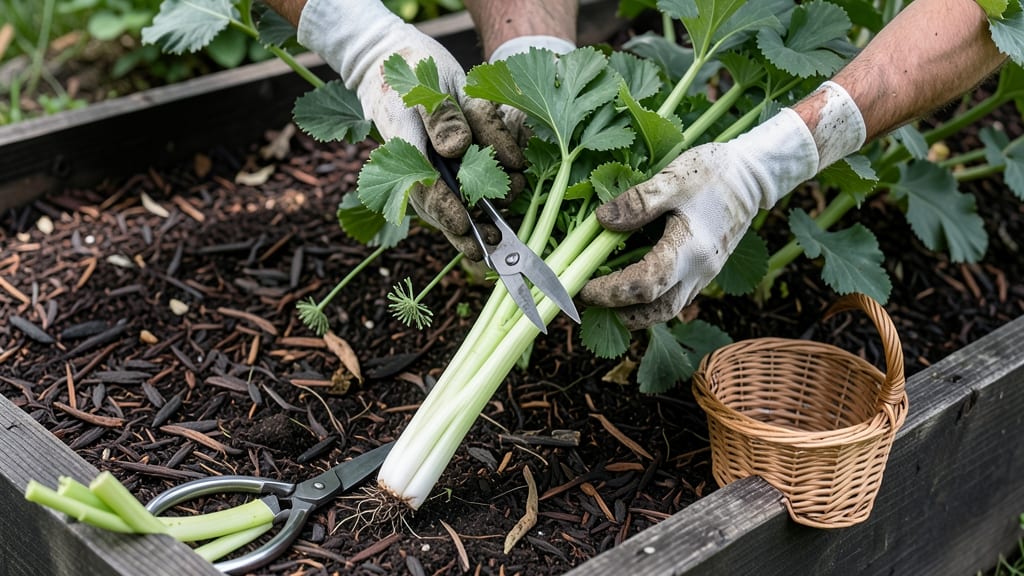
Harvesting garden celery at the right time turns those tough, bitter stalks into the crisp, flavorful 🥬 vegetable you love—but one wrong move ruins everything.
Picture this: you’ve waited months for your celery to mature, only to pull a woody, stringy mess from the soil. That’s not just disappointing—it’s a waste of your time and garden space. The key is knowing exactly when those stalks are ready, before they bolt or turn tough.
In this guide, I’ll walk you through the ideal harvest window for your zone, how to test celery readiness with simple tricks (like the stalk snap test), and how to store your harvest so it stays fresh for weeks.
By the end, you’ll never second-guess when to pull your celery again—just crisp, sweet stalks every time, ready for soups, salads, or snacking straight from the garden.
When to harvest garden celery for maximum crispness and flavor
Celery thrives when harvested at the perfect moment—too early, and you’ll get thin, underdeveloped stalks; too late, and those crisp, sweet flavors turn bitter and woody. The key lies in understanding maturity indicators, seasonal timing, and how your garden’s conditions affect flavor.
I’ve learned that stalk thickness and leaf color are the most reliable clues, but soil moisture and temperature also play critical roles. Let’s break down the science behind the harvest window so you can enjoy celery that’s as satisfying to bite into as it is to grow.
Most garden celery varieties reach harvest readiness between 120 and 160 days after planting, depending on the type. For example, ‘Utah’ or ‘Tall Utah’ varieties typically mature around 140 days, while faster varieties like ‘Golden Self-Blanching’ may be ready in as few as 100 days.
However, days alone don’t tell the full story—you’ll also need to watch for visual and tactile cues that confirm the celery is primed for picking. Ignoring these can lead to disappointment, like the time I harvested a batch that tasted disappointingly fibrous because I waited too long.
The ideal harvest window for garden celery falls between mid-summer and early fall, typically from July to September in most U.S. growing zones. This timing aligns with the plant’s natural growth cycle, ensuring stalks have developed enough to store moisture and sugars for that signature crunch.
In my Zone 6a garden, I’ve found that harvesting in late August yields the sweetest, crispest stalks. However, if you’re growing in a warmer climate, like Zone 9 or 10, you might extend your harvest into October.
The key is to avoid harvesting after the first frost, as cold temperatures trigger bitterness and woody textures.
One of the biggest mistakes I’ve seen gardeners make is harvesting celery based solely on days after planting rather than physical maturity.
For example, a 140-day variety might look ready at day 140, but if the stalks are still thin or the leaves are pale, it’s not time to pull them. Instead, focus on the stalk thickness—ideal celery should have stalks that are 1 to 2 inches thick at the base.
You can test this by gently squeezing a stalk; it should feel firm but yield slightly, like a ripe avocado. If it’s too hard or snaps easily, it’s overmature and likely bitter.
Soil conditions also play a surprising role in celery flavor. Consistently moist soil is non-negotiable—celery plants wilt quickly in dry conditions, leading to tough, bitter stalks. I’ve learned the hard way that even a single day of drought stress can ruin a crop.
To prevent this, I mulch around the base with straw or shredded leaves to retain moisture and keep roots cool. Additionally, avoid over-fertilizing with nitrogen late in the season, as this can cause excessive leafy growth at the expense of stalk development.
A balanced 5-10-10 fertilizer applied every 4-6 weeks during the growing season keeps the plant happy without overpowering the stalks.
Another pro tip I’ve picked up from fellow gardeners is to harvest leaves first for early-season use. The outer leaves of celery are edible and can be snipped off when they reach 6 to
How to test celery readiness before pulling from the garden
Knowing exactly when to harvest your garden celery prevents the disappointment of bitter, fibrous stalks while ensuring you don’t miss the prime window. The key lies in a few simple visual and tactile tests that reveal whether your plants are ready to be pulled.
I’ve learned through trial and error that leaf color, stalk thickness, and root inspection are the most reliable indicators—each one telling a different part of the story.
First, check the outer leaves of your celery plants. They should be a vibrant, deep green color—any yellowing or wilting signals stress, often from inconsistent watering or nutrient deficiencies.
The inner stalks, when cut open, should be crisp and pale green or white, not turning yellow or developing a woody texture. If you see these signs, your celery is likely ready for harvest.
⚠️ WARNING: Overlooking these readiness tests can ruin your harvest!
Next, perform the stalk snap test—a quick way to gauge maturity. Gently bend a stalk near the base. If it snaps cleanly with a slight resistance, it’s ready to harvest. If it bends without snapping or feels rubbery, it needs more time. This test is especially useful for celery varieties prone to bolting, like 'Tall Utah' or 'Golden Self-Blanching,' which can quickly go from perfect to tough if left unchecked.
Don’t forget to inspect the roots and base of the plant. Healthy celery should have a well-developed root system with no signs of rot or pests. If the roots are sparse or the base feels mushy, the plant may be struggling.
Pulling at this stage can damage the remaining stalks, so it’s better to wait or address underlying issues like poor drainage or overwatering.
Environmental factors also play a critical role. Celery thrives in consistent temperatures between 60-70°F and requires 6+ hours of sunlight daily. If your plants are in a hotter climate, they may need partial shade to prevent bolting.
Keep an eye on soil moisture levels—celery demands consistently moist soil but can’t tolerate soggy conditions, which lead to rot.
Finally, time your harvest right by checking the plant’s age. Most celery varieties take 120-160 days to mature, depending on the type. If you’re growing 'Utah' or 'Pascal' celery, aim for harvest between 140-150 days after planting.
For quicker varieties like 'Tango,' you can harvest as early as 90 days, but monitor the stalk thickness closely.