
Tools
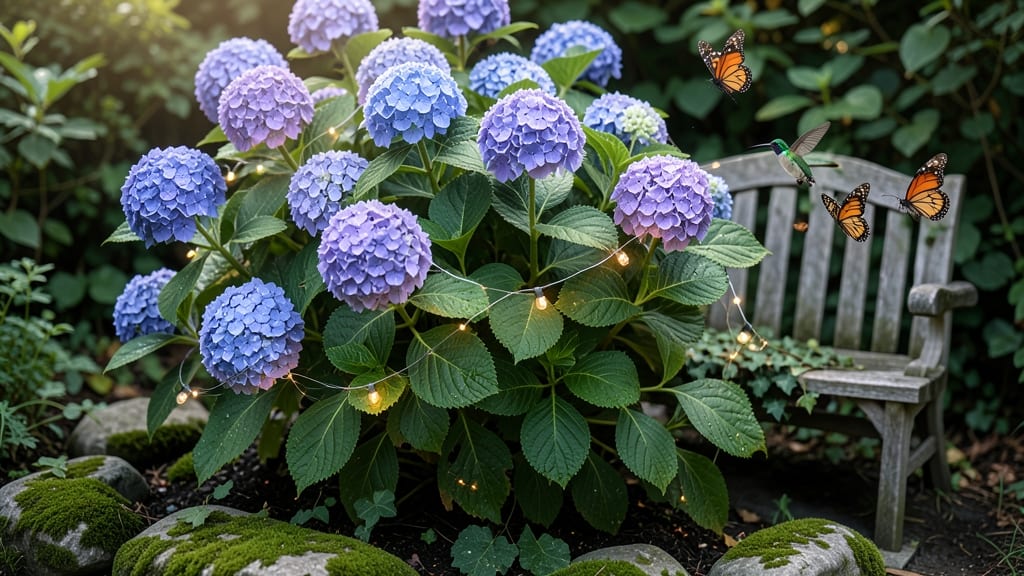
Creating an enchanted garden with vibrant colors 🌸 isn’t just about beauty—it’s about crafting a mood-boosting retreat that buzzes with life.
Picture stepping into a space where soft lavenders, sunny yellows, and deep purples don’t just catch the eye—they lift your spirits and invite bees, butterflies, and hummingbirds to visit. The right color palette transforms your yard into a living fairy tale, one that supports pollinators while keeping your soul light.
But not all colors work equally well. Some hues calm the mind, while others energize, and a few are secretly irresistible to winged visitors. Below, I’ll show you how to blend science-backed palettes with plant choices that create harmony between your happiness and the ecosystem.
You’ll discover five mood-boosting schemes that attract pollinators, avoid common design mistakes, and keep your garden thriving year after year. Let’s bring the magic to your outdoor space!
How to choose enchanted garden colors that boost mood and attract pollinators
Creating an enchanted garden starts with understanding how colors influence both your mood and the behavior of pollinators. Studies show that certain hues not only uplift your spirits but also act as powerful attractants for bees, butterflies, and hummingbirds.
For example, vibrant blues create a calming atmosphere while luring bees, whereas bright purples energize your space and draw hummingbirds. The key is balancing aesthetics with ecological needs—your garden should feel magical while functioning as a thriving ecosystem.
Color psychology plays a major role in garden design. Soft pastels like lavender and mint evoke tranquility, perfect for creating a serene retreat. Meanwhile, warm oranges and deep reds stimulate joy and excitement, ideal for lively outdoor spaces.
But don’t forget the science behind pollinator attraction: bees see ultraviolet patterns invisible to us, while butterflies are drawn to neon pinks and bright yellows. By combining these principles, you can design a garden that’s both visually stunning and ecologically beneficial.
To make the right choices, start by identifying your garden’s primary purpose. Do you want a relaxing sanctuary or an energetic gathering space? This will guide your color palette.
For instance, a blue-dominated garden with coneflowers and lavender promotes calmness, while a yellow-and-orange scheme with black-eyed Susans and marigolds boosts energy. Pairing these with pollinator favorites ensures your garden remains both beautiful and buzzing with life.
When selecting plants, prioritize native species that thrive in your climate. Native flowers like purple coneflower and wild bergamot are not only stunning but also packed with nectar, making them irresistible to pollinators.
Pair these with foliage plants like heuchera or hostas to add texture and depth. The contrast between bold blooms and lush greens creates a layered, enchanted look that feels alive and dynamic.
Don’t underestimate the power of color placement in your garden. Grouping plants with similar hues creates a cohesive look, while contrasting colors draw the eye to focal points. For example, a purple cleome tower against a yellow coreopsis border creates a striking visual impact.
Additionally, consider the time of day when colors appear most vibrant. Morning light enhances blues and purples, while afternoon sun makes reds and oranges pop.
To maximize pollinator visits, incorporate continuous blooming plants. Start with early-season bloomers like crocuses and daffodils, followed by mid-season favorites like peonies and iris, and finish with late-season stars like asters and goldenrod.
This ensures a steady supply of nectar from spring through fall, keeping pollinators well-fed and your garden buzzing with activity year-round.
Lighting can further enhance the magical atmosphere of your garden. String lights or solar-powered lanterns cast a warm glow on moonflowers or evening primrose, making your garden feel alive even after sunset.
These nocturnal bloomers attract moths and night-flying pollinators, adding another layer of enchantment. Just be sure to use soft, warm lighting to preserve the natural beauty of your plants.
Finally, don’t forget to involve all your senses in the design. Fragrant flowers like jasmine, lavender, and gardenia add a sensory dimension that deepens the enchanted experience.
The combination of vibrant colors, gentle scents, and the hum of pollinators creates a truly immersive garden space that feels like stepping into another world.
By thoughtfully selecting colors that align with your emotional goals and pollinator needs, you’ll create a garden that’s not just beautiful
Top 5 enchanted garden color palettes for different moods and pollinator preferences
Creating an enchanted garden isn't just about picking pretty plants—it's about weaving colors that boost your mood while welcoming pollinators. Each palette below balances aesthetics with ecology, using nectar-rich flowers that attract bees, butterflies, and hummingbirds.
Let's dive into five magical schemes that transform your outdoor space into a living fairy tale.
Whether you crave serene blues for relaxation or vibrant yellows for energy, these palettes align with science-backed color psychology. For example, purples and whites create a twilight ambiance perfect for evening strolls, while sunny oranges energize mornings.
Each scheme includes pollinator favorites like lavender, coneflowers, and milkweed to keep your garden buzzing with life.
Start with the Sunny Meadow palette, featuring black-eyed Susans and bee balm, to create a high-energy space that attracts butterflies and bees. These yellow-orange blooms thrive in full sun and bloom from summer through fall, making them perfect for pollinator buffets.
Pair them with salvia for vertical interest and extra nectar.
For a calming retreat, try the Celestial Blues palette with lavender, catmint, and blue salvia. These pollinator magnets emit soothing scents while drawing bumblebees and hummingbirds.
Place them near seating areas to create a serene oasis that doubles as a stress-relief zone. Add silver foliage plants like lamb's ear for contrast.
Don't overlook the Whimsical Twilight palette for evening enchantment. Moonflowers, evening primrose, and white cleome open at dusk, releasing nocturnal pollinators like moths. Their soft purples and whites glow under moonlight, creating a magical ambiance. Pair with glowing night phlox for extra drama.
To evoke a mystical forest, combine deep reds like bee's breath with emerald greens from hostas and heuchera. This palette thrives in partial shade and attracts butterflies and bees with its rich hues. Add Japanese maple for height and dappled shade effects. Perfect for woodland-inspired gardens!
Finally, the Golden Autumn palette brings warmth with amber coneflowers, sedum, and goldenrod. These late-season bloomers support fall pollinators when food is scarce. Their rusty tones complement bronze foliage plants like smoke bush, creating a cozy, autumnal retreat.