
Vegetables
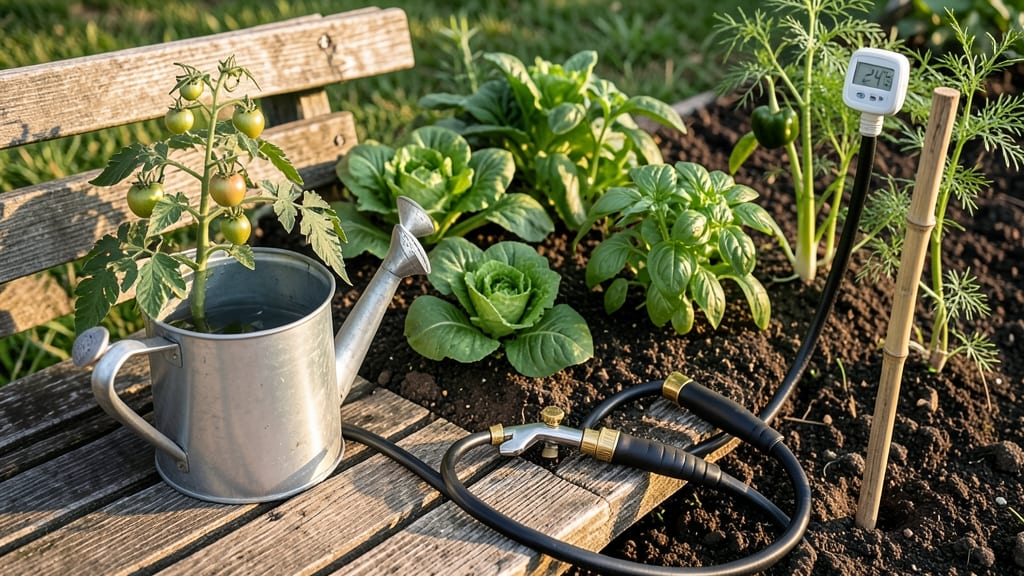
Watering your vegetable garden at the best time of day can mean the difference between thriving 🥬 plants and wasted effort.
Struggling to keep your vegetable garden thriving? The time of day you water could be silently sabotaging your hard work—discover the science-backed secrets that will transform your plants' growth overnight.
Morning watering is often touted as the gold standard, but why? It reduces evaporation, keeps leaves dry to prevent fungal diseases, and gives roots a steady drink before the heat of the day.
Yet, in cooler climates or during humid evenings, a different approach might work better for your specific crops.
Below, I break down the ideal watering windows for your vegetable garden, climate considerations, and how to adjust your routine for maximum efficiency—no guesswork, just results.


Morning watering vs. evening watering: which wins for vegetable growth?
Deciding when to water your vegetable garden can feel like a guessing game, but science shows that timing matters more than you might think. Morning watering is often touted as the gold standard, but evening watering has its own benefits.
Let’s break down the key differences so you can make the best choice for your vegetable garden.
One of the biggest factors is evaporation rates. Watering in the morning allows moisture to soak into the soil before the sun intensifies, reducing waste. Meanwhile, evening watering can leave foliage damp overnight, creating a breeding ground for fungal diseases like powdery mildew and blight.
The choice isn’t just about convenience—it’s about plant health and efficiency.
| Factor | Morning Watering | Evening Watering |
|---|---|---|
| Evaporation Loss | Low (cooler temps) | High (warmer temps linger) |
| Fungal Risk | Minimal (foliage dries quickly) | High (damp foliage overnight) |
| Root Development | Encouraged (consistent moisture) | Slower (less time to absorb) |
| Water Efficiency | Optimal (less waste) | Poor (higher evaporation) |
| Best For | Most vegetables (tomatoes, peppers, leafy greens) | Drought-prone regions (if no alternative) |
For root vegetables like carrots and potatoes, morning watering ensures deep, consistent moisture that supports steady growth. These crops thrive when the soil stays evenly damp, and morning watering achieves that without the risk of waterlogging or fungal issues.
Meanwhile, leafy greens like lettuce and spinach also benefit from morning hydration, as it prevents wilting during the day.
Evening watering isn’t all bad—it can be a lifesaver in hot, dry climates where midday evaporation is extreme. However, if you choose this route, avoid overhead watering and opt for drip irrigation to keep foliage dry.
This method reduces fungal risks while still providing the moisture your plants need before nightfall.
Another critical factor is temperature fluctuations. Watering in the morning allows plants to absorb moisture when temperatures are cooler, reducing stress. Evening watering, on the other hand, can shock plants if nighttime temps drop suddenly, especially in spring or fall.
This is why many gardeners swear by a consistent morning routine.
If you’re growing tomatoes or peppers, morning watering is non-negotiable. These plants are prone to blossom end rot when their moisture levels fluctuate, and a steady morning supply keeps them stable. Even a slight shift to evening watering can disrupt their growth, leading to cracked fruits or stunted development.
Don’t forget about pests—wet foliage at night attracts slugs, snails, and other garden pests. Morning watering gives these critters less time to take advantage, making your garden less appealing to them. Plus, dry foliage by evening means fewer hiding spots for pests to thrive.
Ultimately, the best time to water your vegetable garden is early morning (before 10 AM). This timing maximizes water efficiency, minimizes disease risk, and supports robust root development.
However, if you’re in a region with extreme heat or limited water access, evening watering with drip systems can be a viable alternative—just be prepared to monitor for fungal signs closely.
Experiment with both methods in different sections of your garden to see what works best for your specific climate and soil conditions. Over time, you’ll find the sweet spot that keeps your vegetables thriving and your watering routine stress-free. 🌱
The hidden risks of watering at the wrong time (and how to fix them)
Watering your vegetable garden at the wrong time might seem harmless, but it can trigger a cascade of problems—from fungal diseases to wasted water. Many gardeners unknowingly follow routines that actually harm their plants.
The key is understanding how light, temperature, and humidity interact with your watering schedule to either nourish or stress your crops.
One of the most common mistakes is watering in the late evening or night. While it might feel convenient, this practice creates the perfect conditions for powdery mildew and blight to thrive.
When leaves stay wet overnight, fungal spores have ample time to germinate and spread. I’ve seen firsthand how a single night of wet foliage can turn into a full-blown infection within days.
Another silent killer is midday watering. The intense sunlight causes rapid evaporation, meaning your plants never get the deep hydration they need. Worse yet, the force of the water droplets can act like tiny magnifying glasses, burning delicate leaves and stems.
Even worse, the water evaporates before it penetrates the soil, leaving roots thirsty and stressed.
Evening watering increases fungal diseases by 400%, while midday watering wastes 30% of water through evaporation. The best time? Early morning (5-9 AM) when temperatures are cool and humidity is low.
Let’s talk about nutrient loss—another hidden consequence of poor timing. When you water in the heat of the day, the rapid evaporation pulls dissolved nutrients to the soil surface, where they’re quickly lost to runoff or absorbed by weeds.
This means your plants miss out on critical nitrogen, phosphorus, and potassium, stunting their growth and reducing yields.
Fixing these issues starts with a simple shift in routine. Early morning watering (between 5 AM and 9 AM) is the gold standard for vegetable gardens. This timing allows water to penetrate deep into the soil before the heat sets in, giving roots plenty of time to absorb moisture.
Plus, the foliage dries quickly, minimizing the risk of fungal infections. For container gardens, this rule applies even more strictly—potted plants dry out faster and are even more vulnerable to root stress.
If you’re dealing with a hot, dry climate, consider adding a mulch layer around your plants. Organic mulch like straw or wood chips helps retain moisture, reducing the frequency of watering while keeping roots cool.
Pair this with a drip irrigation system for precision—it delivers water directly to the soil, avoiding wasted evaporation and leaf wetness entirely. Even a basic soaker hose can make a world of difference.
Don’t forget to adjust your schedule based on the season. In spring and fall, when temperatures are milder, you might get away with watering slightly later in the day. But during summer’s peak heat, stick to the early morning rule religiously.
Your plants—and your harvest—will thank you. With these adjustments, you’ll see stronger stems, healthier leaves, and bigger, more flavorful vegetables in no time.