
Tools
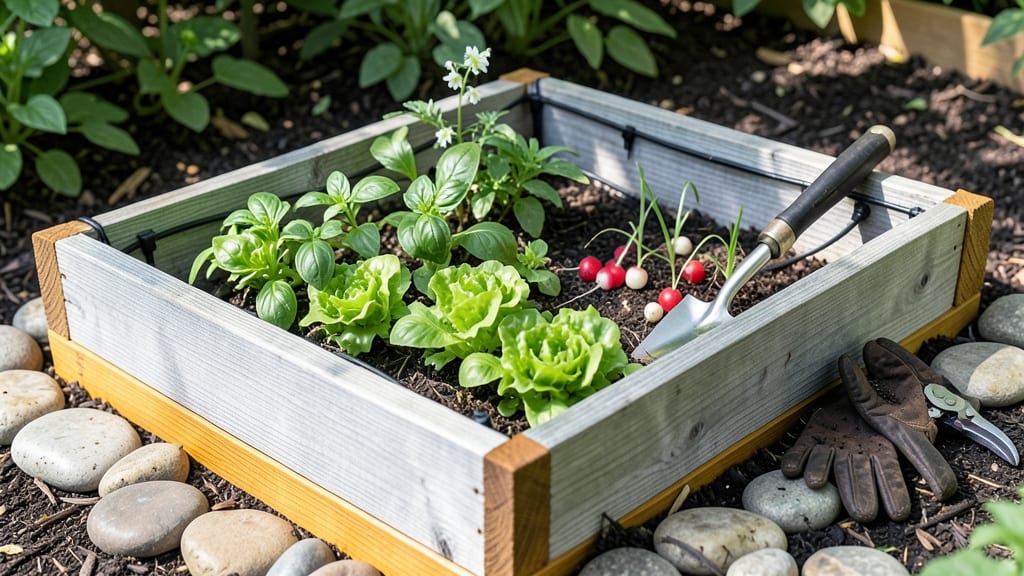
An 8x8 raised garden turns tiny spaces into high-yield, low-maintenance growing powerhouses—if you design it right.
Picture this: your backyard transformed into a thriving, space-saving oasis where every inch works harder. The secret? Strategic layouts that maximize yield while keeping weeds and pests under control. No more wasted space or crowded plants—just a productive garden that fits your lifestyle.
Whether you're growing vegetables, herbs, or flowers, the right design makes all the difference. From companion planting to vertical gardening, we’ll cover the best ways to organize your 8x8 raised garden for success—no matter your skill level.
Ready to dive in? You’ll learn plant spacing tricks, material choices, and seasonal rotation tips to keep your garden thriving year after year.
Optimal 8x8 raised garden layouts for different plant types
Designing an 8x8 raised garden lets you grow high-yield crops in a compact space, but success depends on proper plant spacing and companion planting. Whether you're growing tomatoes, lettuce, or strawberries, each plant has unique spacing requirements to thrive.
A well-planned layout prevents overcrowding, improves airflow, and maximizes your harvest—all while keeping weeds and pests in check.
For beginners, visual spacing guides make it easier to map out your garden. I’ve designed layouts that prioritize sunlight exposure, root depth, and growth habits to ensure every inch of your 8x8 space works hard.
Below, you’ll find square-foot planting plans tailored to vegetables, herbs, and flowers, along with tips to rotate crops for long-term soil health.
Why spacing matters: Plants like tomatoes need 18-24 inches between them to avoid disease, while basil thrives in tight clusters of 4-6 inches. Mixing fast-growing crops (like lettuce) with slow growers (like peppers) ensures you’re always harvesting something. Let’s dive into the best layouts for your 8x8 raised bed!
For a high-yield vegetable garden, start with tomatoes and peppers along the north side of your 8x8 bed to avoid shading smaller plants.
Place lettuce and spinach on the south or west side where they can benefit from afternoon shade during hot summers. Strawberries thrive in the corners or edges, where their runners can spread without competing for space.
Herbs like basil and oregano are perfect for filling gaps between larger plants. They grow quickly and can be harvested frequently, making them ideal for interplanting. For example, tuck basil between
How to design a high-yield 8x8 raised garden in 5 simple steps
Designing an 8x8 raised garden doesn’t require a green thumb—just a clear plan. With 64 square feet of space, you can grow enough to feed your family while keeping maintenance simple. The secret? Vertical growth, companion planting, and seasonal rotation to maximize every inch.
I’ll walk you through my foolproof 5-step method that’s worked for my urban garden for three years running.
Start by measuring your space and dividing it into 16 equal 2x2 squares. This grid system makes it easy to track plant spacing, sunlight exposure, and growth stages. For example, tall plants like tomatoes or peppers get corner spots, while shallow-rooted lettuce or radishes fill the edges.
Sketch your layout on graph paper first—trust me, it saves headaches later.
5 Steps to a High-Yield 8x8 Raised Garden
-
Step 1: Prep Soil Like a Pro
Fill your bed with 6 inches of compost, 4 inches of topsoil, and 2 inches of perlite for drainage. Test pH (aim for 6.0-7.0) and amend with lime or sulfur if needed. My go-to mix? 50% compost, 30% topsoil, 20% perlite—it keeps roots happy and weeds down.
-
Step 2: Plan for Companion Plants
Pair plants that repel pests or share nutrients. For example, basil + tomatoes boost flavor and deter flies, while carrots + onions confuse root maggots. Use my 3:1 ratio rule: 3 shallow-rooted plants (like herbs) to 1 deep-rooted (like squash).
-
Step 3: Use Vertical Space
Train cucumbers, beans, or peas up trellises along the sides to free up floor space. I add bamboo stakes or wire cages for support—no need to spend big on fancy systems. Even strawberries can grow in hanging pockets on the edges!
-
Step 4: Rotate Crops Seasonally
Swap out heavy feeders (like tomatoes or peppers) with light feeders (like lettuce or radishes) every 3 months. This prevents soil depletion and breaks pest cycles. My spring/summer/fall rotation? Tomatoes → Bush beans → Kale—simple and effective.
-
Step 5: Mulch & Maintain
Spread 2 inches of straw or wood chips to retain moisture and suppress weeds. Water deeply in the morning (never at night) and fertilize with compost tea every 4 weeks. I also add row covers in early spring to extend the season.
Don’t forget to leave 6-inch pathways between beds for easy access—trust me, your back will thank you. I also add drip irrigation to save time and water. Start with fast-growing crops like radishes or lettuce to test your soil and layout before planting bigger investments like tomatoes or eggplants.
With this system, my 8x8 raised garden produces enough tomatoes, herbs, and greens to feed four people all summer. The key? Plan ahead, rotate crops, and use every inch—even vertically. Ready to dig in? Grab your measuring tape and sketch your first layout today!